
Blog
Honda Has A New Partner For The Advancement Of Solid-State Battery Technology

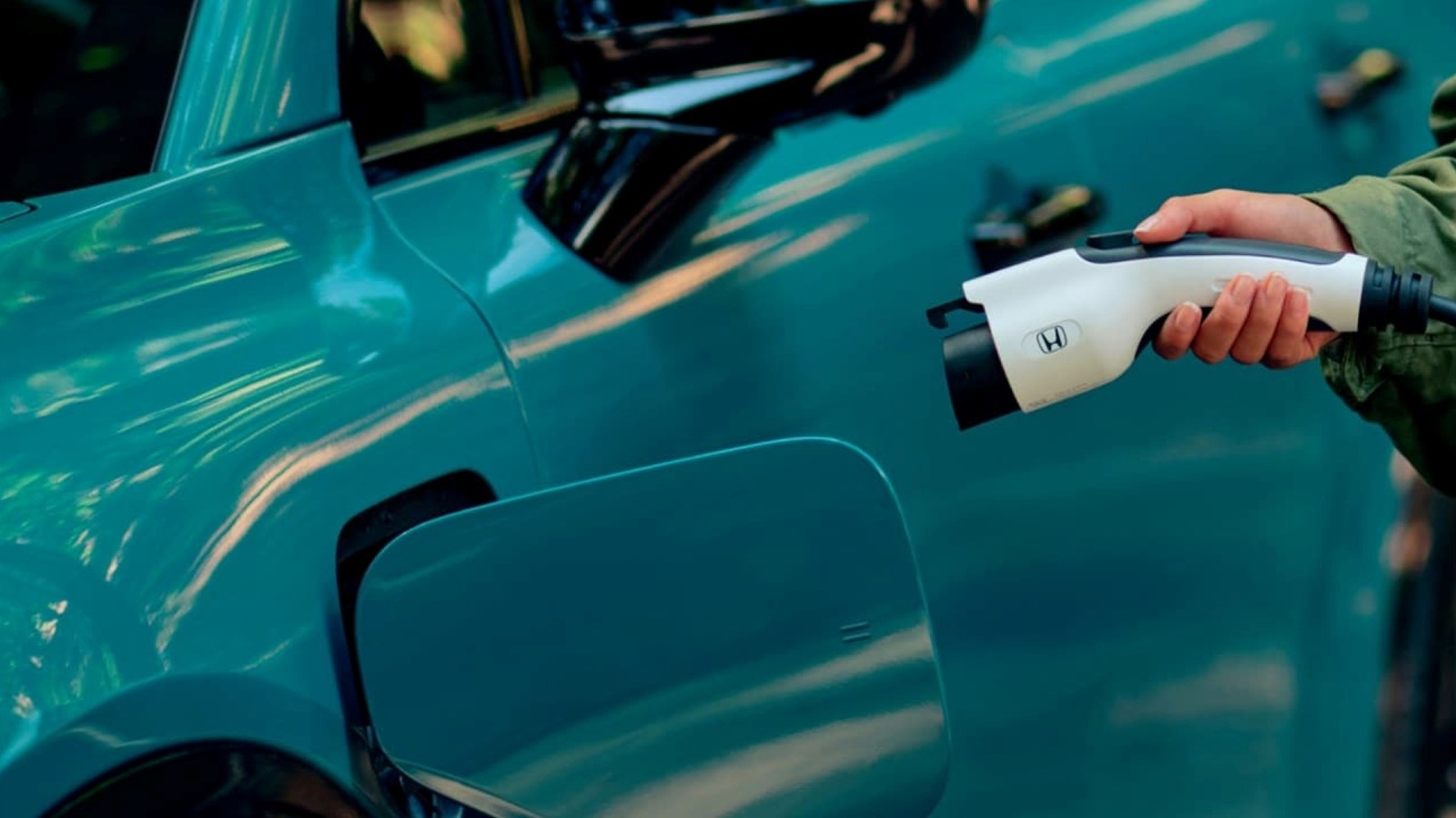
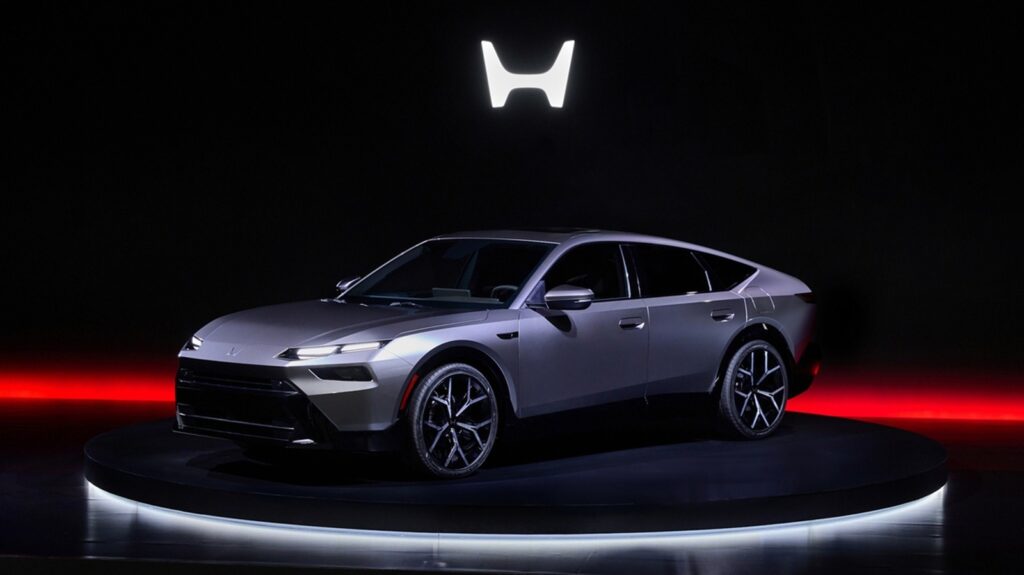
Honda’s solid-state journey kicked off in 2024, when it announced its intention to produce battery prototypes at its facility in Sakura City, Japan. The manufacturing giant has invested heavily in the technology ever since. The company’s partnership with QuantumScape could prove a major step toward actualizing its goal of producing a solid-state EV by the end of the decade. The project will look to capitalize on QuantumScape’s recently opened Eagle Line facility to produce its anode-free, lithium-metal QSE-5 solid-state battery cells, which debuted in a Ducati V21L motorcycle prototype last fall. Honda executives, for their part, have touted the technology as potentially doubling the extended range of current EV models by the end of the decade. Eventually, the company hopes to scale its EV production to 100% of its sales by 2040.
Honda is likely to face stiff competition, as several global brands race to bring the technology to market. In the short term, it is likely that this comes in the form of semi-solid-state batteries, which use a hybrid solid-liquid electrolyte solution and have already begun to be rolled out to consumer markets. Chinese manufacturer CALB, for instance, began mass production of such a hybrid battery last year, culminating in a battery for light commercial vehicles that it introduced at a trade show in March 2026. Stellantis and Mercedes-Benz, meanwhile, have both partnered with startup Factorial to test a fleet of semi-solid-state-powered Dodge Chargers and EQS sedans, respectively.
But Honda isn’t the only firm placing its chips on solid-state batteries. Several Chinese EV giants are shaping up as formidable competitors, as both BYD and CATL have announced plans to initiate small-scale production of solid-state EV batteries next year. Another Chinese manufacturer, Dongfeng Motors, is pursuing a solid-state EV capable of 600 miles on a single charge.
Honda’s Japanese compatriots are also at the forefront of the solid-state race. Nissan, for instance, recently joined a development initiative similar to Honda’s QuantumScape project, this time with British sulfur battery development conglomerate Gelion. The project is in service of Nissan’s stated goal of launching an all-solid-state EV line by 2028. Toyota, meanwhile, which has filed over 1,000 patents for the technology, recently signed a partnership with Sumitomo Metal Mining to produce cathodes for their all-solid-state batteries. As of last year, Toyota projected it would release solid-state EVs by 2028.
Western companies are also getting into the mix. BMW, for example, began testing solid-state batteries in its i7 prototype last year. Volkswagen, meanwhile, invested $1.2 billion in Chinese battery developer Gotion High Tech in 2020. This year, the firm began testing its all-solid-state EV battery, which touts a reported range of 620 miles. Mercedes-Benz is also nearing its own battery. America’s first voyage into the solid-state market could come from luxury EV startup Karma Automotive, which announced that it would launch its Kaveya super-coupe with solid-state batteries from Factorial in late 2027.
Ultimately, it appears unlikely that solid-state batteries will beat out their lithium-ion counterparts in the short term. Despite widespread investment, scalability concerns are likely to persist as companies build out their solid-state battery supply lines. However, with several manufacturers believing they are on the verge of a breakthrough, the technology could become a pillar of the EV market sooner than expected. On balance, Honda’s bet on QuantumScape testifies to the promise of solid-state technologies.