

Blog
What Are The 5 OSHA Rules On Extension Cords?

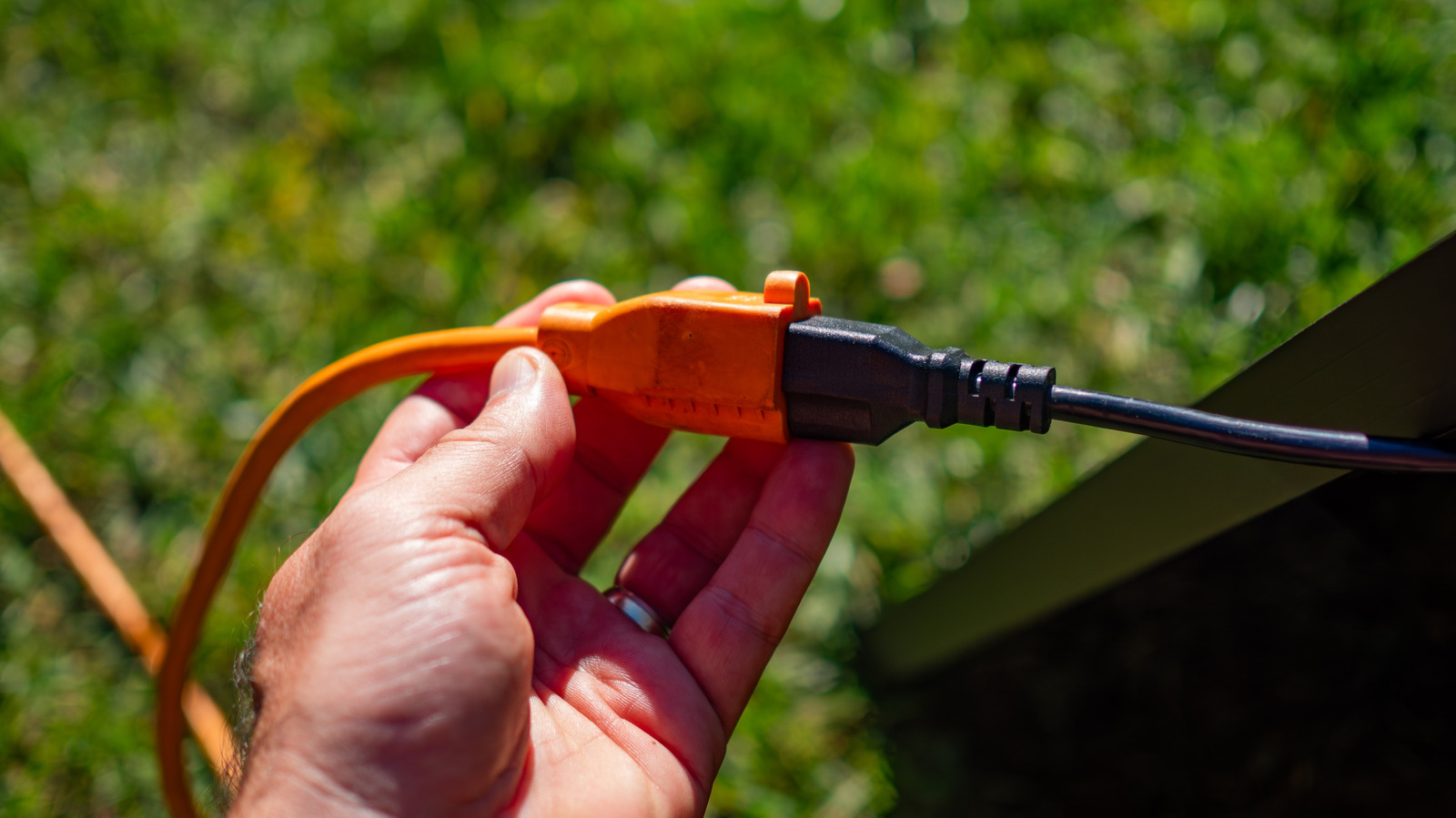
It’s the duty of the Occupational Safety and Health Administration (OSHA) to ensure that any and all workplaces are as safe as realistically possible. This means being vigilant for any potential dangerous situations people could get into at the workplace, from the most dire electrical hazards to something as simple as tripping over an extension cord. Extension cords, in particular, have an entire subset of OSHA regulations to ensure they are used safely in a professional workplace.
Extension cords may be a convenient way to extend your outlets’ reach in an office, warehouse, or other workplace, but there are many common mistakes you could make with an extension cord that could have potentially deadly consequences. Following OSHA’s rules on this matter will not only ensure that you don’t get pinged during an inspection, it will also go a long way toward ensuring everyone stays safe and doesn’t get electrocuted on the job.
Extension cords can only be used as temporary wiring
A common trap that many people fall into with extension cords is plugging them in once and then never taking them out. You have some device or heavy-duty appliance that you want to use, but it’s just a little too far from the outlet, so you plug it into an extension cord and forget about it. Unfortunately, this would be considered an OSHA violation.
As stated by OSHA’s electrical standards, extension cords are only permitted to be used as a temporary wiring solution for a maximum of 90 days. You can plug one in for a device that you’re actively using for work purposes, but as soon as you’re finished with whatever you’re doing, that extension cord needs to come out of the wall and be put away. Extension cords aren’t intended or rated to be part of permanent fixtures, and using them in that way isn’t considered safe.
If you need to use a device consistently, you need to either move it closer to an outlet, or give the electrician a call to install another outlet nearby. Incidentally, OSHA’s regulations also prohibit “daisy chaining” extension cords and power strips, or plugging one extension cord into another to increase its range. Extension cords are not rated to be safely used in this manner, so doing so would be a violation.
Extension cords must be kept in good repair
This might seem a little obvious, but it’s worth stressing: OSHA regulations stipulate that all extension cords must be kept in a state of good repair. This means no obvious physical defects; no visible wearing on the cord, the plugs, or the insulation; and definitely no exposed internal wiring. Using an extension cord with any kind of physical damage or otherwise clear defect in any capacity is considered an OSHA violation.
In the event an extension cord is damaged or somehow hampered in its ability to function properly, it must be removed from active service. That cord cannot return to service until it has been professionally repaired and restored — and that means a full repair job, not just a few pieces of electrical tape. If the cord is not in a state where it can be adequately restored to full function, the only permissible option is to replace it entirely.
Extension cords must not be tripping hazards
One of the most pressing safety hazards that an extension cord can present, aside from electrocution caused by a damaged cord, is as a tripping hazard. You might think that, as long as you know where a cord is, it’s easy to avoid tripping over it. However, not only can you never know exactly where your feet are unless you’re staring at them, you can’t expect everyone around you to know about the cord’s existence and where it’s placed.
This is why, according to OSHA’s regulations, all extension cords, while in use, must be placed in such a way so as not to present either a tripping or slipping hazard. If you’ve got an extension cord clumsily snaking through a major footpath in the middle of your office, that’s an OSHA violation. Cords need to be moved out of the way and secured in such a fashion that they’re still visible and removable.
They can’t just be hidden under a heavy carpet or snaked into a wall, as both would be considered a fire hazard. If you absolutely have to have an extension cord passing through a footpath, it needs to be covered with a rubber protection panel, both to protect the cord itself and make it much harder to trip over.
Extension cords must not be placed in closing doorways
Tripping hazards aren’t the only reason to be conscious of where exactly you’re laying down your extension cords in your workplace. You also need to consider whether leaving it in a particular spot would cause it to regularly incur stress and damage. This is why, in a similar vein to OSHA’s regulations about not using extension cords in poor states of repair, you also can’t place an extension cord in a spot where it’s guaranteed to get damaged, specifically within a closing doorway.
It’s okay to place an extension cord in an open doorway without an actual closing door, so long as it’s secured in a way that it won’t be a tripping hazard. However, placing an extension cord in a closing doorway means that, every time you close the door, the top of the cord is going to get squished, scuffed, and otherwise gradually damaged. Remember, using damaged extension cords is prohibited, so placing an extension cord in a closing doorway is essentially one OSHA violation that’ll lead into a second OSHA violation.
Extension cords must be three-conductor grounding type
In any workplace, though especially heavy-labor workplaces that make use of high-voltage equipment, it’s absolutely paramount that all possible measures are taken to prevent or reduce the likelihood of electrical shocks to workers. Naturally, these measures extend to extension cords, which is why OSHA’s regulations stipulate that any extension cords used in a professional environment must be of the three-pronged grounding type.
All OSHA-compliant extension cords use the three-wire format, ensuring that the cord itself is grounded while plugged in, and that the same goes for any tools, equipment, appliances, or devices as well. This helps to lower the risk of sudden electrical shocks while using an extension cord, not to mention the risk of potential damage to outlets and devices. The good news is that most high-quality extension cords use this connective format, though you should be careful when picking your extension cords to be certain. Using a two-pronged cord, besides being an OSHA-violation, will increase your risk of electrocution and electrical fires.