
Blog
4 Reasons Why People Ditch Their Alexa Devices

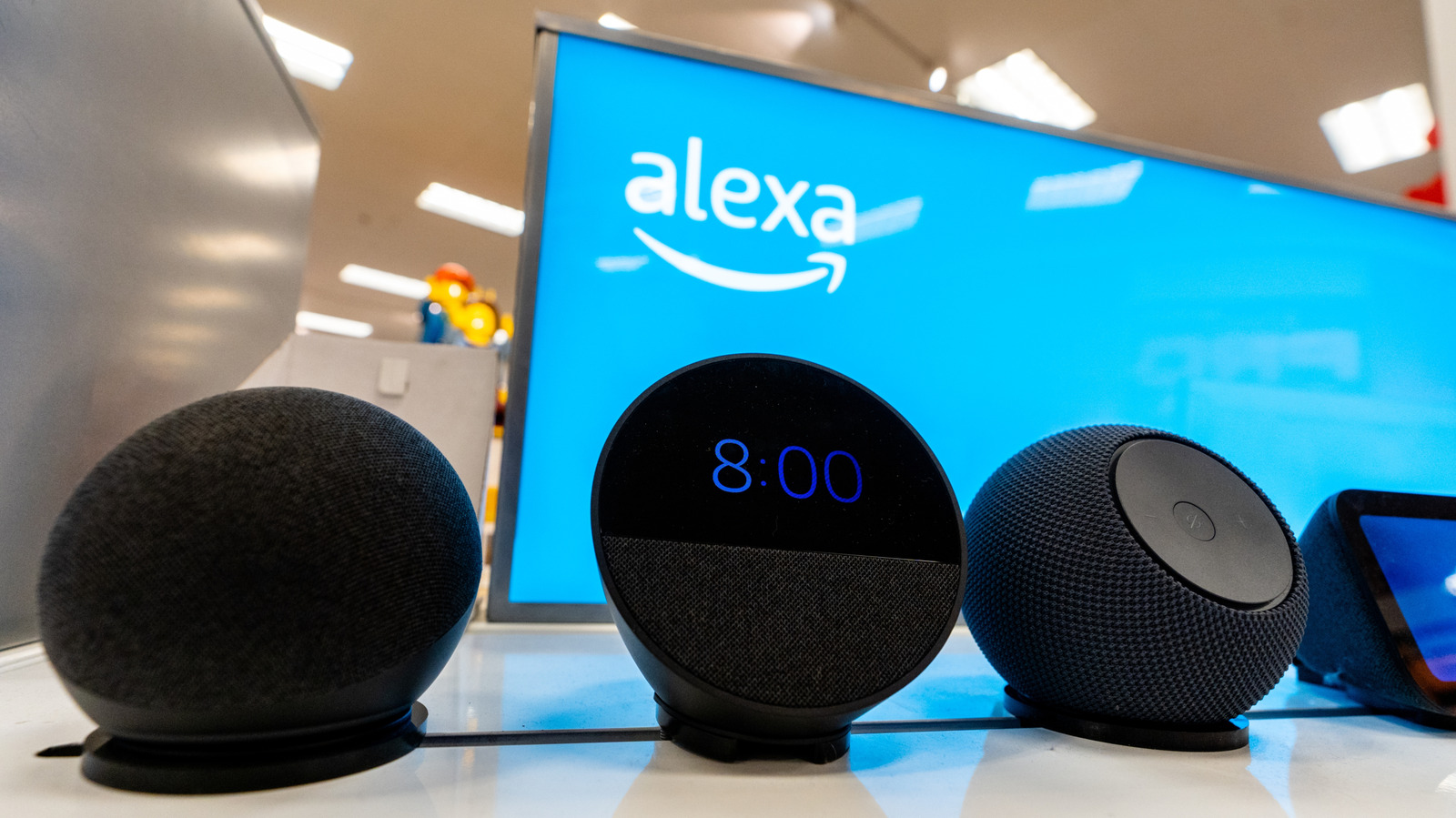
In terms of company value, according to CompaniesMarketCap, Amazon is ranked 5th globally at over $3 trillion. Founded by Jeff Bezos in the mid-’90s, the company’s origin was humble to say the least, with operations originally taking place out of a garage. However, even early on, Bezos was adamant about developing a computer interface people could talk to, which eventually led to the Alexa voice assistant. According to Amazon News, Alexa-equipped devices out in the world today number more than 600 million. These include devices like the Echo, Echo Show, and the Echo Dot. And there are plenty of products to choose from in terms of the cheapest Amazon Alexa devices you can buy.
Promising to enhance things like smart home control, managing day-to-day schedules, and access to entertainment media, these Alexa-equipped devices are seemingly indispensable. Except that some people in recent years have begun moving away from Amazon’s AI voice assistant and the devices it’s installed on. Why? There are several reasons, including loss of interest, disappointing performance, Alexa’s suggestions amounting to thinly veiled ads, and increasing privacy concerns.
Alexa devices lose their luster quickly
The idea of interacting with a device by speaking commands and asking questions can sound exciting to many when first getting Amazon’s product. However, the tech landscape has changed since the Echo’s introduction in 2014. Tools like ChatGPT offer natural back-and-forth conversations and delve into complex topics, making Alexa seem a bit limited in comparison. Perhaps this is why Amazon launched Alexa+ in 2025, with the promise of improvements across the board, adding generative AI. Although this hasn’t stopped some users who’ve become disinterested in the platform from replacing Alexa with ChatGPT on their Amazon devices.
Another issue is that while some products like the Echo Show do include a screen, many Alexa devices are purely an audio experience. A talking speaker may not hold the same wonder it did now a decade on. Without some kind of visual component, it can also be more challenging for new users to understand exactly what their Alexa device is capable of doing.
While there are basic core skills built-in to get the most out of your Alexa device, you need to enable new skills (essentially apps), of which there are more than 100,000 available. You can enable skills in the Alexa app (among other places), many of which weren’t created by Amazon but by external developers and may or may not require additional charges to fully unlock.
Performance problems and quirks have users looking for alternatives
You expect an AI assistant to behave consistently, but that’s not always the case, apparently. One user reported their Alexa device functioned as a dependable alarm clock only to suddenly stop working for reasons unknown. In fact, there are several common Amazon Echo problems people have reported, but fortunately you can fix many of them. Others have noted frustration just being understood by the technology. On Reddit, user kwaaaaaaaaa posted, “I have used ‘Alexa, dim the light to 10 percent’ for ages, then suddenly it’s like I’m talking Klingon, she has no idea how to perform it, then suddenly another random day it works again.”
While reviews of Alexa+ point out the system’s conversational ability has improved, the additional chatter isn’t always welcome. For example, when putting together a list of what’s needed from the grocery store, Alexa can intermittently chime in with commentary relating to certain items or make jokes. Some users have reported this behavior quickly becomes tiresome.
While Alexa can be useful in managing smart home systems, setup can be cumbersome, as the technology may not identify compatibility problems with different platforms. With Alexa, you must carefully select smart home products that are supported by Amazon’s technology. In some instances, the smart home component will enable the appropriate Alexa skill once discovered by Amazon’s device and the accounts are linked. However, sometimes successful pairing may require you to add the skill manually. Just don’t expect the Alexa device itself to be much help.
Alexa’s suggestions sound suspiciously like advertisements
One of the big selling points of Amazon’s lineup of intelligent devices is the ability to ask questions and get relevant answers. However, users are reporting the corporate giant is slipping in not-so-subtle product pitches into its answers, often preceded by Alexa saying, “By the way.” A query about a popular song may include a suggestion to use Amazon’s music platform, or a question about editing media might end with a pitch for a specific software.
The reason Alexa has begun giving unsolicited product recommendations stems from a “feature” introduced in 2022. Essentially, Amazon started allowing its partners to come up with responses to common questions. These “answers” are sponsored, meaning a brand pays Amazon to include their response to Alexa questions. According to a spokesperson for Amazon and Alexa, Rajiv Mehta, “With this new capability, we have made it easier for brands to connect with customers to help answer common questions and better inform their purchase decisions,” as reported by The Sun.
In addition, some are reporting their device attempting to hawk things at odd hours. Reports of Alexa pitching products or platforms late at night, waking sleeping family members, have customers frustrated. One user on Reddit exclaimed, “By the way, 3:00 AM is not the right time to hawk your new mode. By the way, nobody wants their speaker to insistently try to sell them something every time they turn off the lights to go to sleep.”
Privacy concerns have turned users away from Alexa
A knowledgeable and efficient AI assistant that can answer many of your questions, help you manage your calendar, and provide entertainment via streaming music sounds great. Except, it all may come with a cost, potentially allowing strangers to eavesdrop on conversations held within your home. How? Alexa connects to Amazon servers, and typically audio requests to these devices must be processed in the cloud. The trouble is, news broke of company contractors listening in on audio clips from Alexa users. In 2018, one Amazon user mysteriously received well over a thousand audio files from a stranger’s Alexa device, and this is just one highly publicized example.
In 2025, on the eve of Amazon releasing Alexa+, customers were emailed a notice indicating the ability to opt out of having their audio sent to the cloud (for select devices) was ending. Now, the option isn’t available anymore, and some in the digital security industry are skeptical of Amazon’s decision. Speaking with Forbes, Ray Walsh, an expert in digital privacy with Comparitech, described the tech giant’s decision as, “a textbook case of a safeguard being stripped away—without consent, without alternatives, and without compensation for users who object.” Even now, there are Amazon Echo privacy settings you should change immediately, such as how it interacts with Amazon Sidewalk. Amazon assures users that it’s committed to security and privacy through a multi-layered approach to protection. However, once consumer trust begins to erode, it can be difficult to get it back.