
Blog
Are There Any Cars That Are Still Made With A Body-On Frame?

The difference between unibody and body-on-frame construction is one of those fundamental dividing points in vehicle engineering and design. For modern SUV buyers, as well as some pickup truck buyers, the decision between these two designs makes a huge difference in what type of vehicle you’re getting. What about when it comes to normal passenger cars, though?
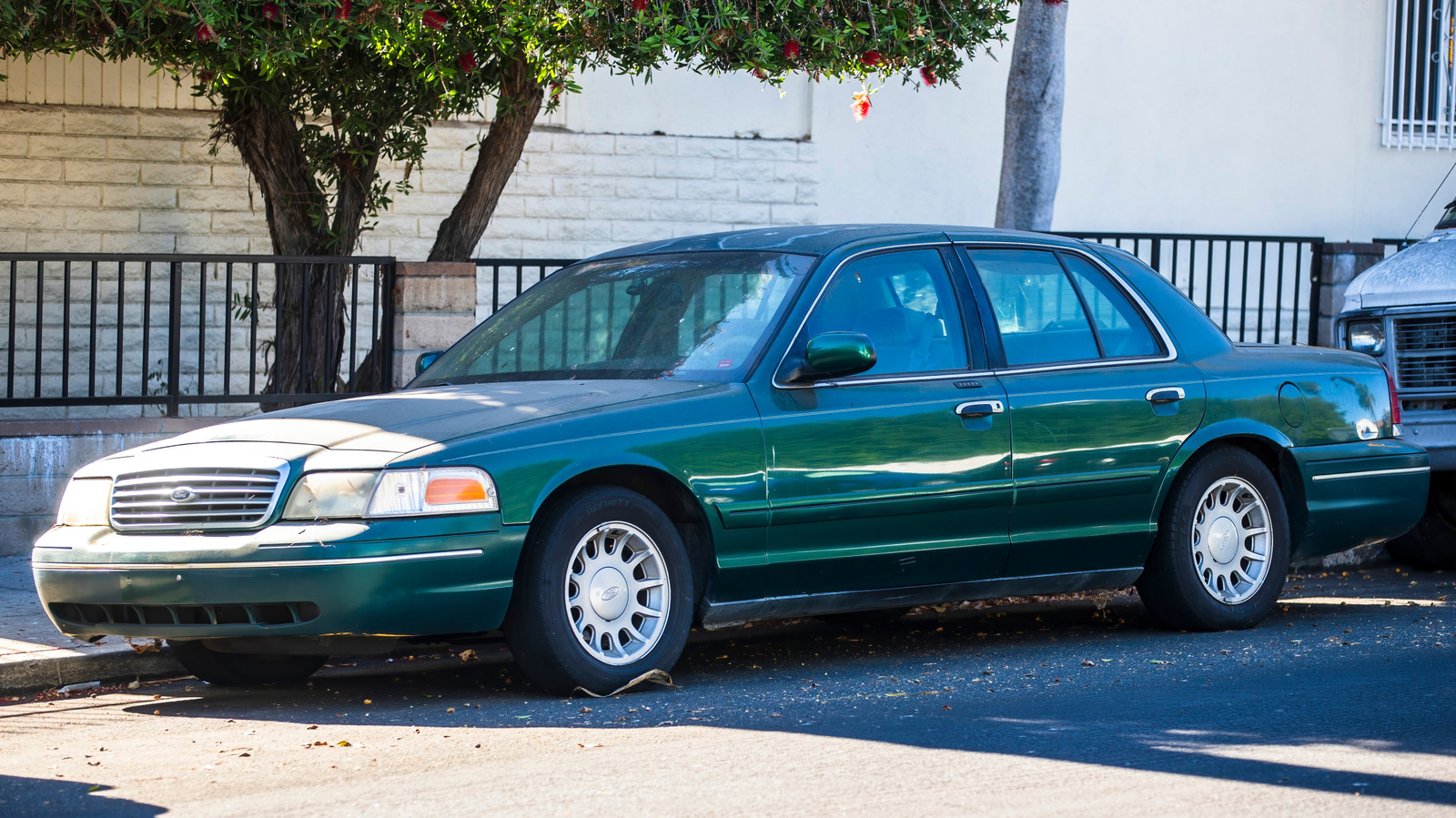
If you’re shopping for sedans, hatchbacks, coupes, or wagons, the unibody vs body-on-frame decision is a moot one. The last body-on-frame passenger car sold in America was the Ford Crown Victoria, which left production way back in 2011. And even back then, the body-on-frame passenger car was already seen as a relic from an earlier era, with the Crown Vic’s Ford Panther platform keeping body-on-frame design going long after other car companies had abandoned it.
To find a time when body-on-frame passenger cars were common in American showrooms, you would have to go back to the 1970s, when models like the best-selling Oldsmobile Cutlass and Chevrolet Impala still used body-on-frame architecture. However, even at the time, unibody designs were already being used on many popular models, including the original the Ford Mustang of the ’60s. By the late 1980s and ’90s, body-on-frame construction would be limited to select full-size sedans, wagons, and luxury cars before being phased out completely.
Keeping it old school
In the early days of the automobile, body-on-frame passenger cars were the norm, but it’s not like unibody vehicles are particularly modern. In the American market, the Nash 600 of the late 1940s is considered one of the pioneering unibody models, and by the early ’60s, various mainstream passenger car models from Ford and General Motors, as well as huge swaths of the Chrysler lineup had adopted unibody construction.
Some models, like the popular General Motors G-Body platform, kept body-on-frame design alive on mid-size cars through the ’80s. However, with the industry’s growing emphasis on lighter cars with better fuel efficiency and shift toward front-wheel-drive models, body-on-frame passenger car offerings became limited only to full-size, rear-drive sedans and station wagons.
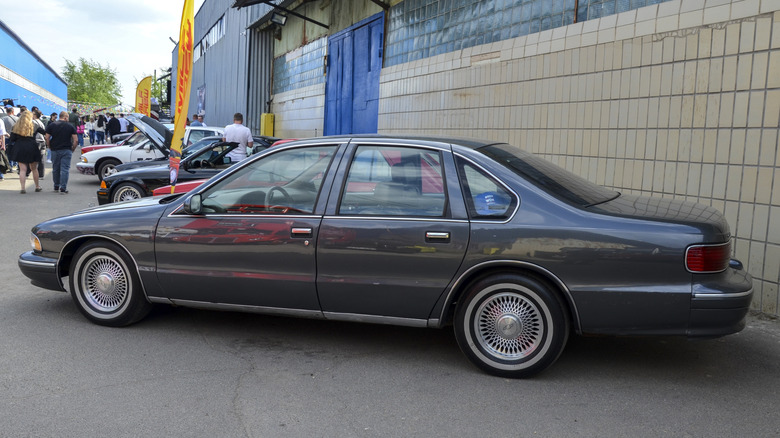
At General Motors, the last gasp for the body-on-frame passenger car was the B-body platform, which stuck around until the mid 1990s and went out with the iconic Impala SS. Ford, meanwhile, kept its full-size Panther platform alive all the way through the 2000s, underpinning not just the police-favorite Crown Victoria, but also more upscale models like the Mercury Grand Marquis and Lincoln Town Car. The fact that Ford kept building these traditional, full-size body-on-frame rear-drive cars long after everyone else had stopped has made the Panther a bit of a cult favorite and modern classic.
Why did on the body-on-frame passenger car die?
So why did the body-on-frame passenger car die? A lot of it has to do with things like weight, safety performance, and fuel economy — where more modern unibody models would typically do better. However, there’s also an argument to be made that the full-size body-on-frame passenger car didn’t actually die, but simply evolved into the modern pickup truck and SUV.
If you go back to the era of full-size body-on-frame passenger cars being the norm, this was also a time when pickup trucks were still mostly work vehicles, not the family-friendly four-door models that dominate the market today. Likewise, in the ’60s, ’70s, and ’80s the SUV was still a relatively niche offering primarily aimed at recreational off-roaders and people who needed to go off the beaten path.
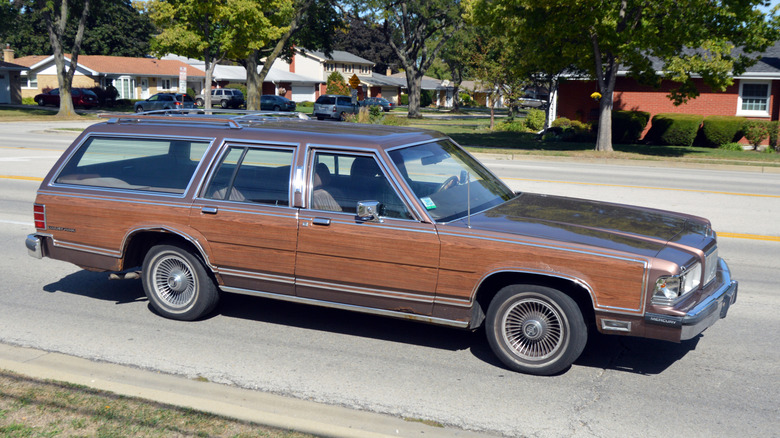
That old-school Chevy Impala with four doors, a V8 engine and huge trunk? If you think about it, it’s really not all too different than a modern crew cab Chevy Silverado. All you have to do is replace the trunk with an open pickup bed. That woodgrain-covered all-American station wagon that used to be portrayed as the quintessential American family hauler? One could argue that it’s simply replaced by SUVs like Ford Explorers and Chevy Tahoes that do the same thing while riding a little higher. Body-on-frame construction is very much alive and well today, just on trucks and SUVs rather than passenger cars, where it’s no longer needed or necessary.