
Blog
What Are Your Retro Game Consoles Worth?

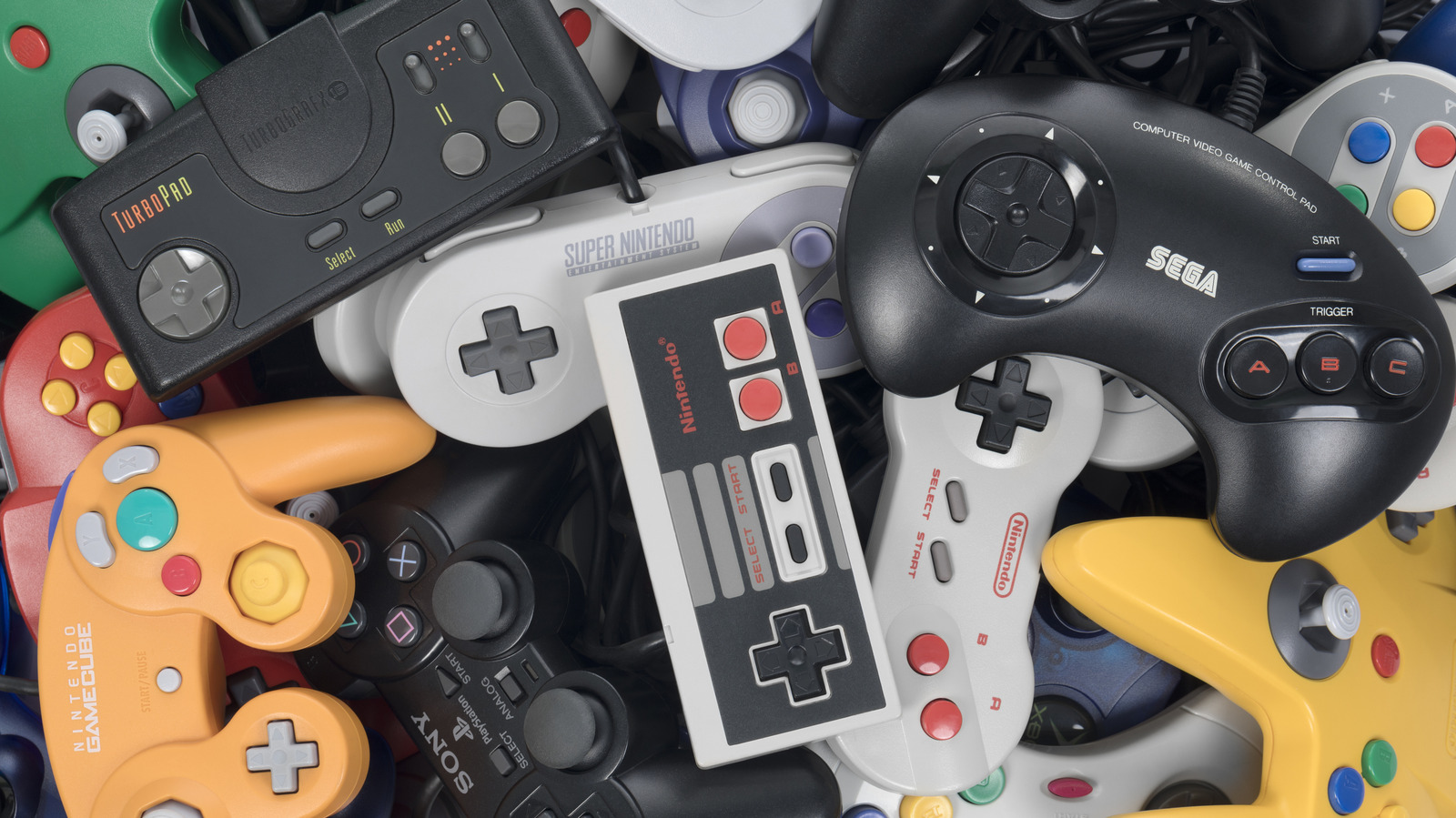
It’s possible you have something valuable boxed up in the garage.
Condition, scarcity and even a model number can turn old hardware into something surprisingly valuable.
That old console buried in your closet could be worth more than you expect. Or it could still be worth roughly what you assumed when you shoved it behind a box of cables 15 years ago.
Age alone is a pretty bad pricing guide. The exact model, whether it still works, its cosmetic condition and what survived alongside it can all affect the value. Special editions and desirable hardware revisions can push prices much higher, while prototypes operate in the sort of market where normal rules politely leave the room.
Condition can swing the price by hundreds
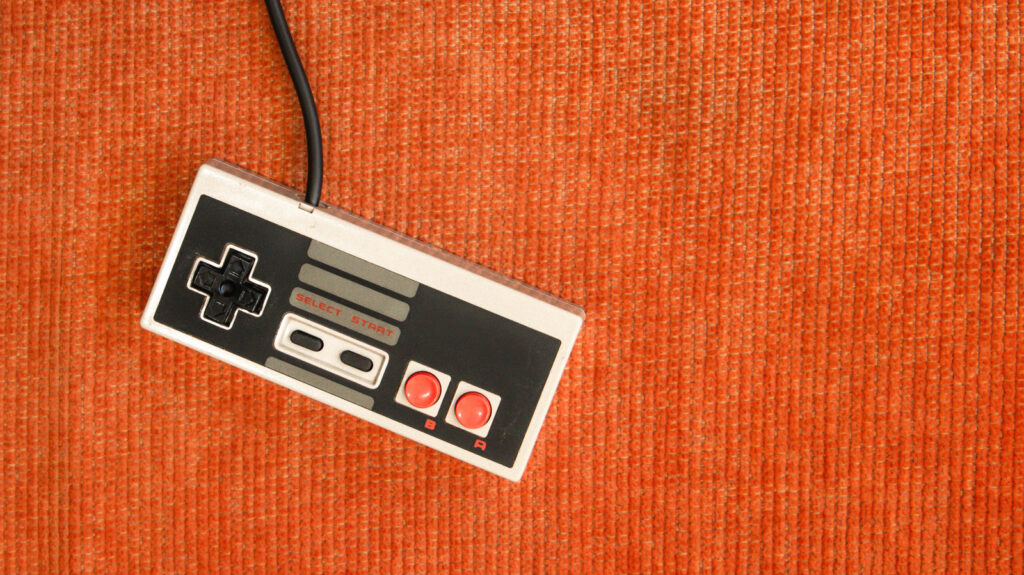
Old doesn’t automatically mean valuable, and pricing for a standard Nintendo Entertainment System makes that painfully clear. PriceCharting currently estimates an NES at about $82 loose, around $295 complete and roughly $1,209 new, using completed sales rather than the wildly optimistic asking prices that anyone who has spent five minutes on eBay has probably encountered.
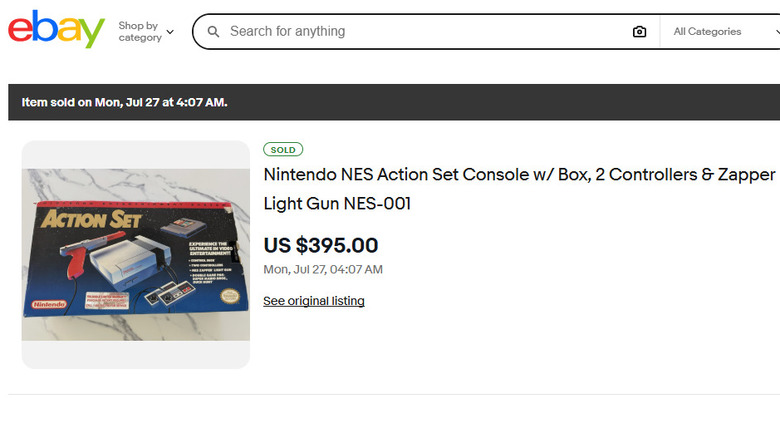
One boxed NES Action Set with two controllers and a Zapper, for example, sold for $395 on eBay. So original controllers, power supplies, cables, manuals, packaging and especially original boxes deserve a second look before anything gets tossed. And while the presence of original accessories and packaging matters a lot, functionality matters even more.
A clean console that reliably boots is much easier to value than an untested machine whose seller swears it worked the last time they used it. PriceCharting does not guarantee that your particular console will actually fetch at its listed market estimate. So recent completed sales of comparable hardware are the better reality check.
Rarity helps, but the exact version can matter more
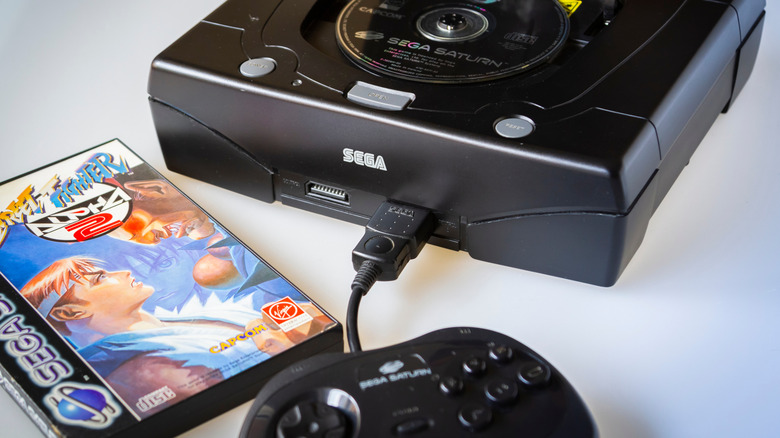
Scarcity can raise prices when collectors still want the hardware, which helps explain why a North American Sega Saturn is currently estimated at about $185 loose and $270 complete, compared with roughly $56 and $99 for an original PlayStation.
There were simply far fewer Saturns around, but that doesn’t mean every failed console eventually becomes a retirement plan. Two machines carrying essentially the same console name can have very different values because of their color, region, internals, ports or model number. A Japanese Hello Kitty Dreamcast, for example, is currently estimated at roughly $232 loose and $644 complete.
Early PlayStation 3 hardware provides another good example. The 60GB CECHA-01 model is currently estimated at around $374 loose and $650 complete, partly because its hardware can play PlayStation 2 games in a way later revisions cannot. So check the sticker on the back before listing anything.
Prototypes are a different market
Then there is hardware that was never supposed to reach ordinary store shelves.
Development systems, pre-production machines and prototypes can command enormous prices because surviving examples may number in the single digits, and in extreme cases there may be only one known unit, turning what looks like an unusually ugly old console into a piece of gaming history.
The famous Nintendo PlayStation is the obvious example (and, sadly, probably not sitting underneath your spare HDMI cables). The surviving prototype came from Nintendo and Sony’s abandoned CD-ROM-based collaboration, and it received a $300,000 winning bid at auction in 2020. With the buyer’s premium, the Nintendo PlayStation cost $360,000.