

Blog
5 Things To Check When Your Riding Mower Won’t Start

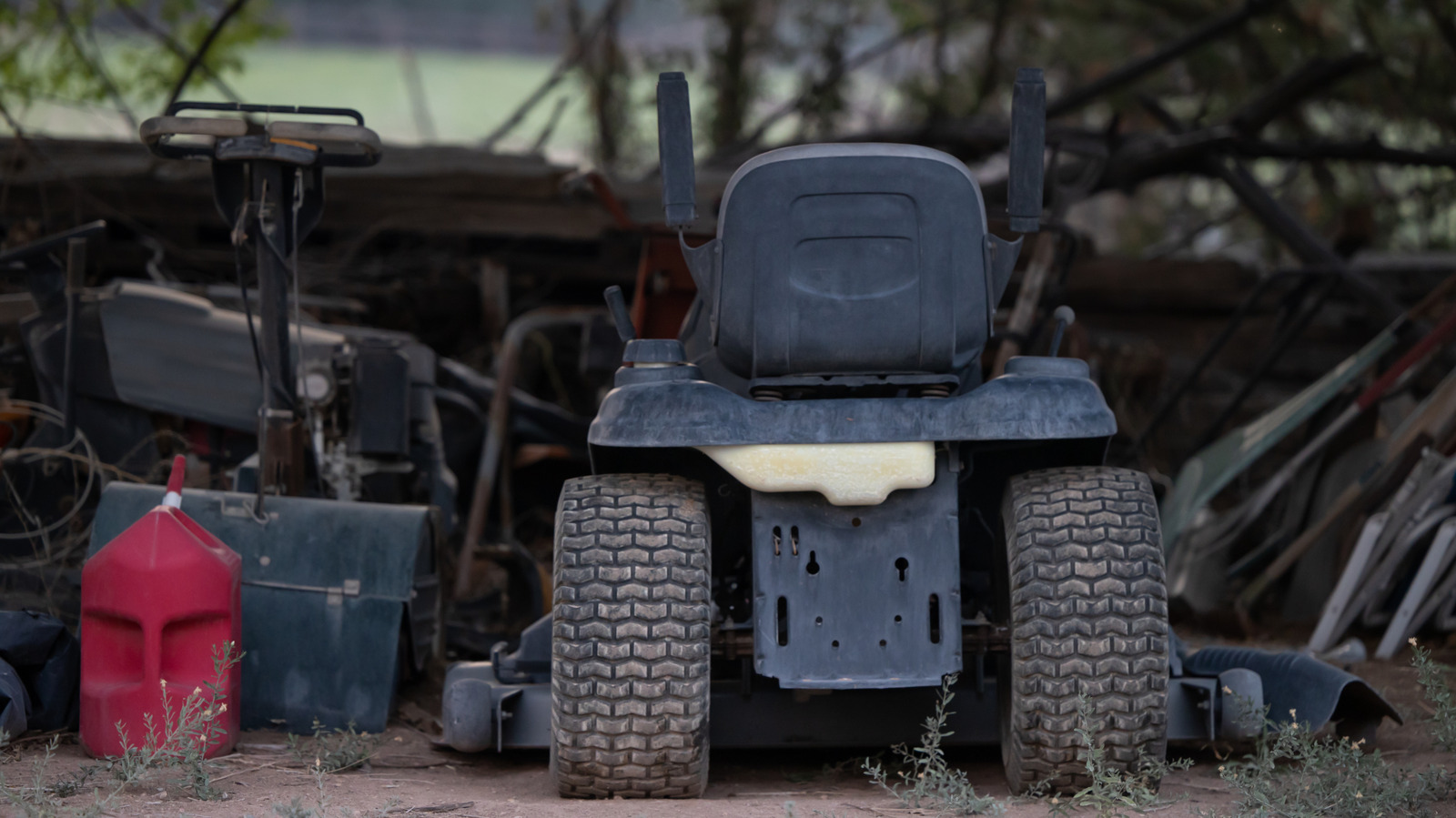
The riding lawn mower is a valuable addition to many garages. Generally, these will best serve homeowners with large lawns or particularly complex landscaping needs, and for the most demanding jobs, it’s worth considering an even more capable lawn tractor. Either way, these mowers feature more power, larger cut decks, and significantly more complicated overall builds than a standard push mower.
If you run a riding lawn mower around the yard on a regular basis, you’ll know that routine preventative maintenance is necessary and goes far beyond the typical repair and care cycle for a push mower. The engine and electronics in a riding mower make the tool more akin in its build to a boat, ATV, or even a car than to a standard cutter. As such, you’ll want to care for the engine and all accessory components as you would a recreational vehicle.
If your mower won’t start, there are a few important things to check to get it working again. Unlike a push-powered alternative, these tools have semi-complex electronics built in, and the engine isn’t a basic unit with just a few potential sticking points. These five elements of the riding mower’s power-production layout are typically where the issue lies if you’re having trouble getting your mower going. Rising in order of complexity when handling the appropriate fix, these are the most common troubles, and that can leave a riding mower at a standstill when it’s time to cut the grass, as well as what to inspect to get it working again.
Fuel Tank
One of the most common issues that afflict riding mowers is perhaps the simplest thing to fix. Open the fuel tank cap and take a good look inside. You may just be out of gas. If this is the case, refilling the tank is all that’s required to get the mower started again. That’s the simplest explanation, and it’s always a good idea to start with the low-hanging fruit instead of overcomplicating your inspection. However, even if you have gas in the tank, this may still be where the trouble is hiding, so you’re not done here yet, even if you’ve got liquid sloshing around in there.
It’s generally well understood that cars and other vehicles need to be driven semi-regularly to keep the fuel from degrading. A good rule of thumb here is to get your car out for a drive every six months, even if it’s a recreational vehicle, show car (that you still fire up from time to time), or a similar automobile that you rarely drive outside of special occasions. But with the lawn mower, that viability window drops down a bit. If your mower has been sitting idle for three months (and sometimes even as few as two months), your gasoline may be spoiled.
Many homeowners leave their riding mower sitting untouched through the winter months, potentially creating a bad gas situation to work through each spring as the weather begins to warm. If you’re worried about the time between startups, drain the fuel tank and give it a fresh pour of gasoline to complete the easiest check on your troubleshooting list.
Battery (and alternator)
Your battery is the next stop on a tour of the possible sticking points. Checking the battery involves a visual inspection and a trip around the element with a multimeter. If your battery is corroded or otherwise damaged, you may have found your answer. If not, break out the multimeter and start inspecting the battery’s charge. A working battery will give back a reading above 12V. If the battery’s charge level reads below this while the mower is off, you’re likely dealing with a dead or weakened battery that needs charging or replacement.
A lawn mower battery is typically rated for a service life of 3 to 5 years. If you’re well beyond that threshold, a replacement is likely your best bet. But if the unit still has some life left, your first step should probably be to break out the car battery charger and provide a trickle charge to build the power pack back up. If it doesn’t hold a charge after around 8 hours of charging, you’re likely beyond salvaging the battery and have probably found the culprit. On the other hand, power issues can come from the alternator.
A good test here is to turn on the headlights and watch their behavior. If you’ve started your mower again after charging the battery, your headlights will dim when you turn the vehicle off again. If they don’t, your alternator is causing the underlying power issue, not the battery itself.
Engine Oil
Some mowers won’t start if they’re low on oil. This is a safety feature built into some models, but as a general rule, if you don’t have enough oil in the system, it will often be difficult to start the tool, and even if you can get it running, your engine’s internal components may seize up without the correct lubrication.
The first step here is to check the dipstick. This is the same process as reading a car’s oil level with the dipstick. You’ll pull the dipstick out of its container and inspect how much oil is on the end. There’s a line indicating the correct amount, and if your reading is below that (or even completely dry), the problem is likely in the oil reservoir. Look up your model’s oil requirements and refill the tank to address the immediate issue at hand.
It’s worth noting that if you have a low oil problem, your underlying issue could be a leak somewhere in the mower. It’s a good idea to let the mower sit for a while to check for leaks and perform a more thorough inspection to identify the root cause of your oil loss, so it doesn’t start leaking again and cause the same trouble shortly after being refilled.
Filters
Every engine, regardless of size or sophistication, requires a mix of fuel and air to run. If your engine has enough fuel and there aren’t other internal complications, you may be facing an airflow problem. This is easier to diagnose and fix than some other parts, so it’s a great next step in your efforts to get the mower back in service.
Your mower may have a clogged air filter that isn’t letting enough air through. This can result in an improper fuel-air mixture, making it difficult to get the engine to fire. Replacing your air filter is always a good idea and should be done on a regular basis as a preventive maintenance step. Some brands recommend replacing the filter annually, but if you’re diligent about cleaning it each season, you can often extend its life to a few years before replacement is truly necessary.
When inspecting the filter, you’ll also want to remove any debris you come across. The more gunk you find blocking the mower’s airways, the less ‘breathing’ capacity it will enjoy, gumming up the works as it tries to take in the air required to properly fire the pistons.
Spark plugs, solenoids, and other consumable parts
Consumable parts, like your mower’s spark plugs, will need to be replaced at regular intervals. The spark plugs provide the spark that ignites the fuel-air mixture inside the engine. These components create a small spark that ignites the fuel-air mixture inside the chamber, producing the force that drives the pistons.
This is the part responsible for providing the explosive power to your car’s engine, and it’s a good idea to inspect your spark plugs about once per growing season. This doesn’t mean you’ll necessarily need a replacement every year, but doing it every other year, even when the plugs aren’t going bad, is a good preventive maintenance habit to get into.
A similar scenario can be found with the carburetor’s solenoid. This component opens to allow fuel to flow into the carburetor and closes to prevent backflow and control the amount of gasoline in the chamber.