
Blog
Best Mid-Range Phone 2026: Unbeatable value

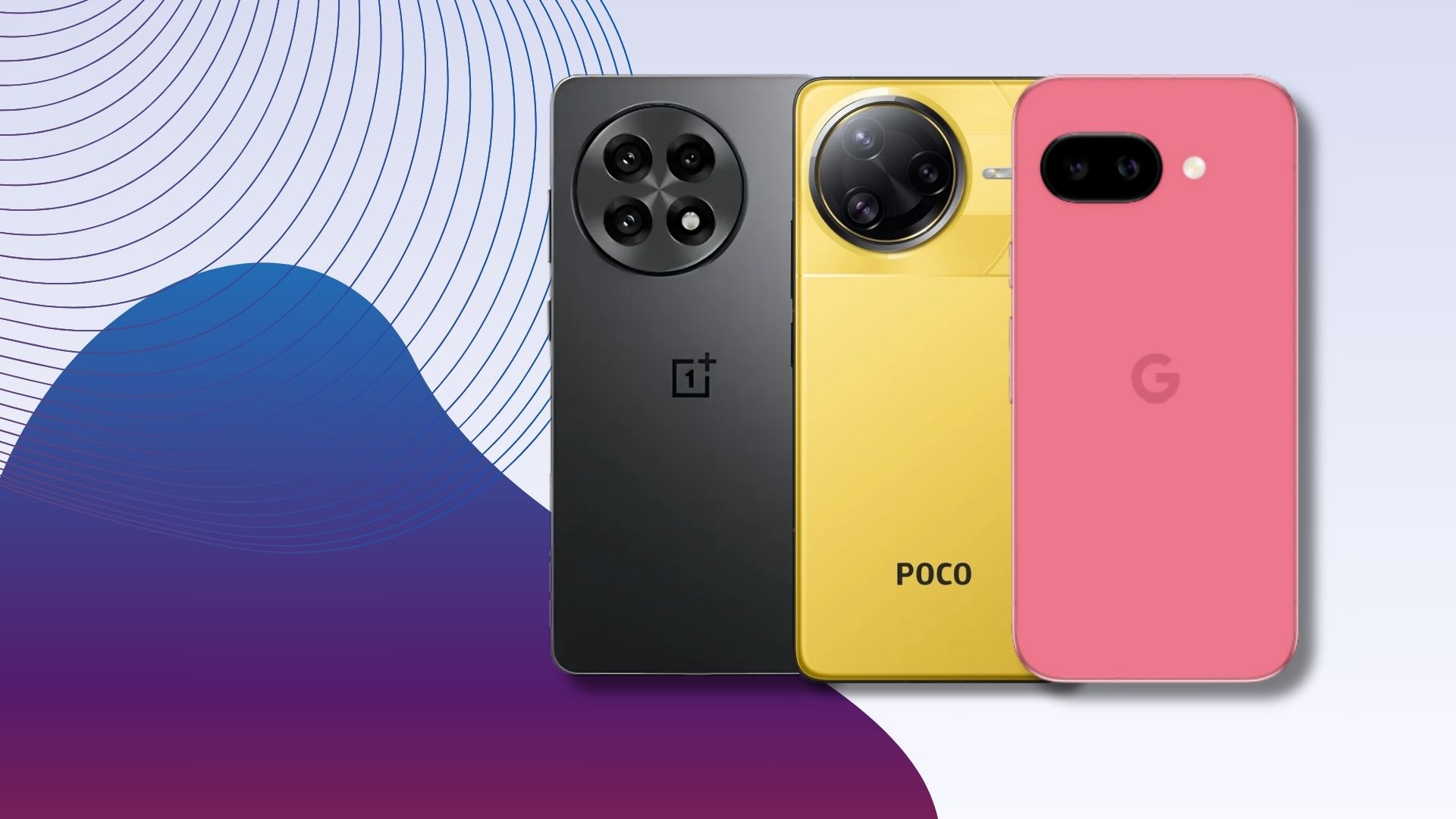
While most smartphone chatter focuses on the latest high-end releases, and the cheapest options sit at the budget end of the market, mid-range phones are where you’ll often find the best value. Sitting between £400/$400 and £700/$700, these devices offer plenty of features for your money – and we know which ones are worth buying.
We particularly rate mid-range phones for the average consumer because they don’t come with the same compromises as the best cheap phones. Today’s mid-rangers tick so many boxes that most users won’t feel like they’re missing out, and some even use tech that debuted on flagship phones just a few generations ago.
If you’re an Apple fan, your options are limited. The brand only has one phone in this space, the iPhone 17e. It’s a great phone in its own right, but Android buyers have far more choice, with excellent mid-range options from Samsung, OnePlus, Honor and more.
Alongside capable cameras and bright displays, mid-range phones are also offering better long-term value thanks to improved software support. Samsung and Google lead the way here, with six and seven years of updates respectively, so it’s always worth checking how long a manufacturer promises support before you buy.
With the sheer number of mid-range phones that are now released in any given year, make sure to check back regularly on our rankings, as they’re likely to change a fair bit.
If you’re curious to see how mid-range phones compete against the wider crop of what’s out there, then our guide to the best phones overall is worth a look. Alternatively, photography enthusiasts will find just what they need in our round-up of the best camera phones, all of which can be coupled with a good SIM deal.
Best mid-range smartphones at a glance
SQUIRREL_ANCHOR_LIST
How we test
Learn more about how we test mobile phones
All the devices in this list have been thoroughly tested and used by one of our expert reviewers. We don’t review a phone purely on specs or benchmark scores and we use them as our everyday device for the review period, which is usually at least five days but often a lot more.
When we review a phone our expert will put their personal SIM card into the phone, sync across their most-used apps and log into all their typical accounts. We do this so you’ll feel confident in our review and trust our verdict.
Our review process includes a mixture of real-world tests, along with more than 15 measured tests and industry-standard benchmarks
-
Stylish looks
-
Solid camera performance
-
Excellent battery life
-
Middling performance
-
HyperOS isn’t the best Android skin
The Xiaomi 17T is one of the more impressive mid-range phones to arrive in 2026, and if you’re after a genuine flagship alternative without spending flagship money, this is an easy phone to recommend.
Starting with what you’re here for, the cameras represent a clear step up from the 15T. The 50MP main sensor fires off sharp, punchy shots in daylight and holds its own after the sun goes down, while the 12MP ultrawide keeps pace with it rather than feeling like an afterthought, which isn’t always a given at this price.
The improved zoom lens also pulls in noticeably more detail once you push past 1x, making the whole rear camera system feel far more well-rounded than you’d typically expect from a mid-ranger.
Battery life is another area where the 17T genuinely impresses. The 6500mAh cell stretches comfortably past two working days on a single charge, and when you do eventually reach for a cable, 67W wired charging refills it in just under 100 minutes. That combination of longevity and recovery speed puts it ahead of most phones at this price point.
Where the 17T stumbles is with the MediaTek Dimensity 8500 Ultra inside. It’ll handle most games and day-to-day tasks without complaint, but its benchmark scores land closer to the Nothing 4a Pro and Google Pixel 10a, phones that sit at a lower price on this list. HyperOS is also a sticking point, arriving loaded with bloatware and feeling rough in places. If a clean software experience matters to you, the Pixel 10a is a better shout.
Look past those two niggles and the Xiaomi 17T is a compelling all-rounder. Great cameras, brilliant battery life, and a sharp design that punches well above its weight.
-
A new, more premium, design
-
Big screen with a smooth 165Hz refresh rate
-
Can get you through two days of average use
-
Solid power for the price
-
LTPO tech is absent this year
-
No zoom lens and low-res ultrawide camera
-
AI tools aren’t game-changing
If finding a mid-range phone with exceptional battery life is your priority, the OnePlus 15R is the one to go for on this list.
Starting at £649, the 15R undercuts the flagship OnePlus 15 by a fair margin, yet OnePlus has still packed some genuinely impressive hardware into its polycarbonate chassis.
The headliner is a redesigned 7400mAh silicon-carbon battery that is larger than the one in the OnePlus 15 and comfortably outclasses what most flagships offer, let alone mid-range phones. In our testing, the 15R stretched to two full days of use without complaint, and even heavier users should have no trouble getting through a full day without reaching for a charger.
When you do need to top things up, 80W SuperVOOC charging takes that sizeable cell from flat to full in under an hour, which goes a long way to softening any anxiety around running low.
The cameras are the one area where the 15R asks you to manage your expectations. A 50MP main shooter is paired with an 8MP ultrawide, and that secondary sensor isn’t going to impress. Where the 15R more than holds its own, though, is in raw performance.
The Snapdragon 8 Gen 5 sits just one rung below the Snapdragon 8 Elite Gen 5 powering the OnePlus 15, and it shows in day-to-day use. Couple that with a 165Hz AMOLED panel and a fresh install of OxygenOS 16 running on Android 16, and you have a phone that breezes through daily tasks and handles gaming surprisingly well too.
-
Completely flat rear
-
Flagship-level AI features
-
Great camera performance
-
Too many similarities with Pixel 9a
-
Older Tensor G4 chipset
-
Bezels remain relatively thick
-
No PixelSnap support
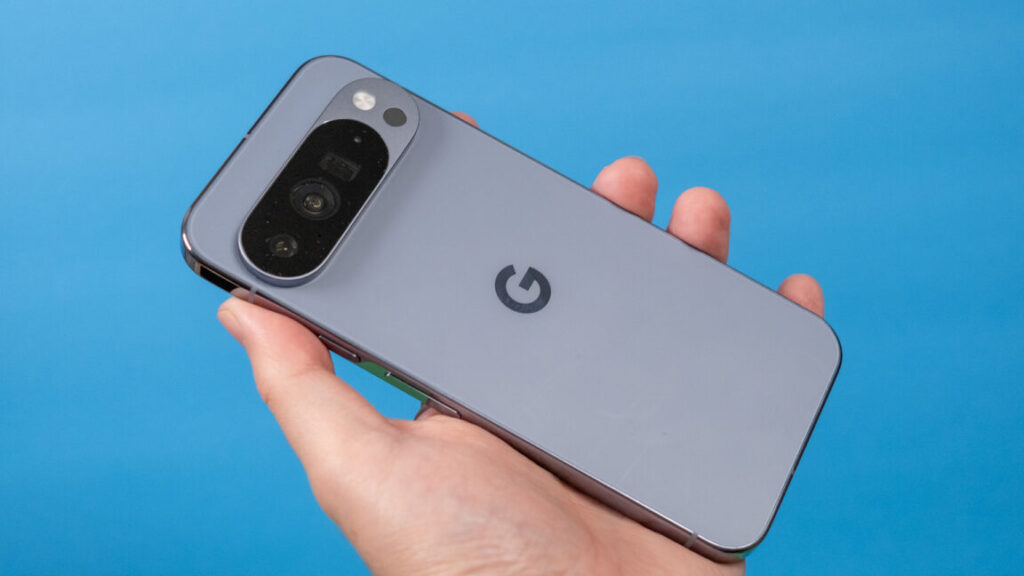
Google’s A-series phones have long led the charge of showing the wider industry what can be achieved at the mid-range end of the market and the Pixel 10a is no exception. If you don’t have a ton of time to research the latest mid-range phones and simply want a handset that ticks all the right boxes and doesn’t cost more than £500/$500, then this is an easy one to recommend.
What separates the Pixel 10a (and its predecessors) from most of the mid-range crop is its ability to pump out the type of pictures that you’d typically expect to see from flagship phones. The 48MP main sensor and the 13MP ultra-wide are solid enough, but it’s Google’s highly refined computational processing that gives any shots taken with the Pixel 10a a serious boost, and there’s a wealth of editing software too that’s powered by Google AI.
On top of the cameras, the Pixel 10a is also one of the best options to go for when it comes to long-term support. Google offers seven years of software updates for the Pixel 10a from the point of launch, so if you’re someone who wants to maximise the amount of time you spend with your phone before needing to upgrade again then this is a solid buy.
Also working in the Pixel 10a’s favour is the brilliance of Google’s stock Android. While a lot of companies have to rely on bloatware to bring down the price of their more affordable phones, Pixels have no such issue and are as close an experience to iOS as you’ll find within the Android space. Everything is beautifully designed and you have tons of options for customisation to suit your tastes.
The only thing that really works against the Pixel 10a is that it isn’t a major revision on the already brilliant Pixel 9a. You’re getting a more refined build as there’s now no camera bump to speak off, alongside a brighter display than before, but there really isn’t much else beyond that. The two phones even use the same Tensor G4 chipset so if you want to pick up even more of a bargain then the Pixel 9a might be the better option of the two.
SQUIRREL_PLAYLIST_10208265
-
Unique design and wonderful metal build
-
Glyph matrix can actually be useful
-
Strong battery life
-
Brilliant, big display
-
No interactive Glyph Toys
-
Inconsistent camera stabilisation performance
-
Not the fastest phone out there
Forget just being a great mid-range handset, the Nothing Phone (4a) Pro is arguably one of the most interesting-looking phones you can buy in 2026. It has Nothing’s iconic attention to style (the likes of which you tend not to see outside of Apple’s ecosystem), but now in an all-metal chassis which is a first for the company.
Feeling the weight and the smooth nature of the (4a) Pro in the hand, you’d be forgiven for thinking that it’s a flagship phone, so if you want a mid-ranger that looks like anything but then this is the obvious pick to go for. With the revamped design, the phone boasts the Glyph Matrix circle on the back – pinched from the pricier Nothing Phone (3) – which can be used to see the charging status, check the time and more, all without ever having to look at the display.
There’s also the Glyph Bar off to the side which is utilised to signal incoming notifications or calls. The whole system is designed around the idea of having the phone placed face down on a desk so that you aren’t tempted to check your phone constantly and end up needlessly wasting time with endless doomscrolling. It’s a great concept, and one that’s sure to be appreciated by those who have a more mindful approach to using tech.
Inside the phone is a faster chipset in the Snapdragon 7s Gen 4, alongside a beefier 5400mAh battery. The extra battery capacity is great and it means that you can take the (4a) Pro through a fairly demanding day without worry, but we would have liked to see a slightly more capable processor inside. The 7s Gen 4 can handle most things just fine, but it’s not quite as seamless as something like the A19 Bionic which is in the not that much more expensive iPhone 17e.
There have been meaningful tweaks elsewhere as the screen now operates at a silky smooth 144Hz refresh rate, and the telephoto lens offers 3.5x optical zoom for better quality shots at a distance. All of this sits on the ever-so-stylish Nothing OS that, much like the company’s hardware, is brilliantly eye-catching.
SQUIRREL_PLAYLIST_10208357
-
Speaker system is no gimmick – it sounds fantastic
-
Brilliant big display
-
Really speedy performance and fast charging
-
Denim finish will divide opinion
-
Cameras aren’t that good
-
Software still needs some taming
If you’re purely looking for the best performance for your money while still getting a normal-looking phone (I’m looking at you, RedMagic 11S Pro), it’s hard to look past the Poco F8 Ultra.
With a Snapdragon 8 Elite Gen 5 under the hood, the Poco F8 Ultra rips through anything you ask of it. Day to day, that means the phone shrugs off every game you can throw at it, from demanding games to editing multi-track 4K video without much effort.
Performance aside, the F8 Ultra is a treat for anyone who uses their phone to watch things. The big 6.9-inch AMOLED is bright and packs an HDR punch that genuinely impresses, and the triple-speaker setup actually pairs with the screen to pull you right in, whether you’re settling in for a Netflix binge or a TikTok scroll.
Not everyone wants a phone built purely around performance though, and if camera quality sits at the top of your priorities, it’s worth looking elsewhere. The F8 Ultra ships with a triple 50MP setup, and yet the secondary lenses struggle in practice, while the processing on the main sensor doesn’t quite match what rival phones at this price manage to pull off.
-
Gorgeous, redesigned chassis
-
Bright and sharp OLED screen
-
Solid cameras and battery life
-
More expensive than its predecessor
-
SoC inside is just okay for the price
The Honor 400 is an amazing mid-range phone, tackling the lower end of the bracket upon its release, but for the Honor 600, the company had gone in a more premium direction with a price tag of £549.99. At that rate, the Honor 600 is more directly in competition with the likes of the Pixel 10a and the iPhone 17e but it has quite a few unique features to tempt buyers away from the competition.
The big upgrade this time around is in the display. This 6.57-inch AMOLED panel isn’t just gorgeous to look at; it can also reach a peak brightness of 8000 nits, which is almost unheard of. For context, even a high-end flagship phone like the Oppo Find X9 Ultra taps out at 3600 nits, making Honor’s mid-ranger one of the best phones to use outdoors in direct sunlight.
The build itself has been tweaked to reflect the phone’s more premium ambitions, with a blend of brushed aluminium and composite fibre. The camera bump also gets a redesign, clearly taking inspiration from the iPhone 17 Pro and its camera plateau. Sure, it might be trying a bit too hard to mimic Apple’s flagship phone, but it still looks great for a mid-ranger.
Speaking of the cameras, the phone has managed to punch the main 200MP 1/1.4-inch sensor found on the more expensive Honor Magic 8 Pro. There’s no telephoto lens to speak of, but because you’re getting so much detail from that main sensor, you can zoom and crop in a fair amount without feeling that the overall integrity of the shot has waned. The pictures themselves are wonderfully bright, with the kind of eye-catching colour that’s perfect for social media.
The Honor 600 now runs on the Snapdragon 7 Gen 4 chipset, and if there was one area that could do with some attention, it would be this. The processor gets the job done with most things, but it’s not quite as powerful as the iPhone 17e’s A19 Bionic or the Snapdragon 8 Gen 5 that’s inside the OnePlus 15R.
-
256GB is now the starting amount of storage
-
Very fast (for the price)
-
Love the pink
-
The iPhone 17 is just better in every way
-
Single camera is restrictive
While the iPhone 16e was a decent first attempt from Apple at a proper mid-range phone (not counting the now-discontinued iPhone SE range), it still left a lot to be desired especially against the value of what Android phones with the same price tag could provide. Thankfully, the gap has now closed significantly with the release of the iPhone 17e.
This new phone has fixed a lot of the complaints we had with its predecessor, mostly by including MagSafe in the design, which felt like such a strange omission before given that it’s been a staple of Apple’s ecosystem since the iPhone 12. Having the technology here means that you can attach power banks, wallets and other accessories with ease, opening up how you can use the phone on a daily basis.
The phone itself is tougher too, boasting the new Ceramic Shield 2 glass that’s now found on all of the other iPhone 17 devices, offering scratch resistance that’s three times better than what we had before. The standard storage has also jumped to 256GB to match the iPhone 17, but that means you get more bang for your buck with plenty of space to store your apps, photos and more.
Of course the big upgrade on the inside is the inclusion of the A19 Bionic chip, and it’s here that the iPhone 17e really stands out in the mid-range crowd. With the ability to run iOS flawlessly, let alone triple-A games like Death Stranding and Resident Evil 4 Remake, the A19 chip is a beast, and because of Apple’s dedication to phones long after they’ve been released, the A19 CPU will be supported with new updates for quite some time to come.
The iPhone 17e presents a very tempting package to those on a budget, but where it does falter is in having just a single rear-facing camera. To its credit, that 48MP camera can capture great-looking shots with that same signature Apple style that devotees love, but when something like the much cheaper Nothing Phone (4a) Pro has three cameras on the back, it’s worth evaluating what you want from your camera setup.
-
Lightweight and thin design for a phone of its size
-
Brilliant, big display that’s great for media
-
IP68 water and dust resistance
-
Fingerprint sensor is slow and unreliable
-
Battery life not as strong as expected
-
Not the smoothest, fastest performance around
-
A bump in storage costs a fortune
If you’ve been following Samsung’s trajectory in the smartphone world over the last few years then you probably already know that the brand isn’t exactly known for big, innovative leaps forward. While companies like Nothing and Honor seek to shake things up with each new generation, Samsung has opted for a far more iterative approach and that is very much how the Samsung Galaxy A57 fits into the company’s strategy.
One of the areas where the A57 does excel however is in presentation, and just like the A56 before it, this is a phone that feels very much like a flagship in the hand. The use of glass on the back is much appreciated, so if you want to downplay the fact that you’re using a more affordable phone, the Galaxy A57 fits the bill. It’s also a very thin and lightweight phone too, so you won’t notice it too much when the phone is in your pocket.
For the folks out there who use their phone as their main means of catching up with the latest films and TV shows, you’ll appreciate the stunning 6.7-inch AMOLED panel that’s used here. It’s wonderfully bright, and displays colour with such intensity that it does feel like quite a cinematic experience.
In the past, Samsung’s One UI overlay always felt like it was playing catch-up to more efficient set-ups from the likes of OnePlus, and it certainly couldn’t match Google’s stock Android, but that’s no longer the case. Ever since One UI 7, the software has felt far sleeker and is very enjoyable to use. It’s all bolstered by the fact that you’re getting six years of OS upgrades for fantastic long-term value.
For as premium as the Galaxy A57 feels, however, the battery life could definitely be a bit better for the asking price. Samsung’s two-day battery life claim is at odds with our experience with the phone; it’s more likely you’ll get just over a day. There’s also the fact that with the Galaxy A56 being so similar, you could just pick up the previous-gen phone if you’re happy with having a shorter update cycle in return for spending less at the checkout.
-
Immense power
-
Solid endurance
-
Gaming-centric software is a pleasant touch
-
Camera performance is underwhelming
-
More expensive than predecessors
If you’re an avid mobile gamer and want the most powerful phone on this list, a controller-like feel in the hand and a battery that goes the distance, the RedMagic 11S Pro is the one to beat.
While most phones stick to familiar designs, the RedMagic 11S Pro brings something genuinely exciting to the table with touch triggers built into the frame, which make the phone feel far more like a controller than a smartphone.
Paired with the overclocked Snapdragon 8 Elite Gen 5 chip, which posts 3DMark Wild Life Extreme scores well above the usual flagship crowd, this is comfortably the fastest and most game-ready phone on this entire list.
The 6.85-inch 144Hz display gives everything a wonderfully smooth and responsive feel, whether you’re playing the latest titles at maximum settings or just catching up on content between sessions. It’s a great canvas for gaming in a way that most mid-range phones simply can’t match.
Battery life is equally impressive, with the enormous 7500mAh cell easily carrying you through a full day of demanding use without complaint. There’s 80W wired charging to top things back up quickly, as well as wireless charging, although the latter does require a dedicated RedMagic adapter to take advantage of.
If the all-in gaming aesthetic isn’t quite what you’re after, something like the Poco F8 Ultra offers a more balanced experience.
-
Thin, light and lovely to use
-
Eye-catching style and colour options
-
Bigger battery than other ultrathin phones
-
Gorgeous 6.7-inch 1.5K screen
-
Snapdragon 7 Gen 4 isn’t a great performer
-
Camera tuning can be hit and miss
-
Only four OS upgrades promised
At 5.99mm thick and 159g, the Motorola Edge 70 is barely there the moment you pick it up.
It’s not just the thinnest on this list, but that featherweight feel makes a genuine difference across a long day of scrolling and messaging. Motorola has also wrapped the back in a woven, fabric-like material that looks sharp and, more usefully, gives your fingers something to actually grip.
The 6.7-inch pOLED display runs at a smooth 120Hz refresh rate, and while it lacks LTPO technology, meaning it can’t step down to preserve power on static content, it’s crisp and punchy enough to feel well above its £699 asking price.
It’s a similar story with the Snapdragon 7 Gen 4 chipset inside. It isn’t the fastest processor on this list, but that’s something of a deliberate trade-off. Flagship silicon like the Snapdragon 8 Elite found in competing ultra-slim devices can run seriously hot inside a chassis this narrow, and the 7 Gen 4 runs cooler, which should translate into less performance throttling as the months go on.
Where the Edge 70 really makes its case, though, is in the battery department. Motorola has managed to squeeze a 4800mAh cell into that impossibly slim frame, and it lasts well through a demanding day. When it does need a top-up, 68W wired charging takes the phone from empty to full in around 50 minutes, which is a strong result at this price.
If you want a phone that disappears into your pocket and your hand while still delivering solid everyday performance and genuinely impressive battery life, the Motorola Edge 70 is one of the most compelling options on this list.
-
Lightning-fast performance from the Snapdragon 8 Elite Gen 5 chip
-
80W wired and wireless charging
-
Brilliant cameras for almost every scenario
-
Still no true HDR/HD support on popular streaming apps
-
Spotty auto-focus and lock-screen limits on the cameras
-
Unimpressive speaker configuration that’s easily muffled when held in landscape
The Nubia Z80 Ultra is one of the most complete Android packages you can buy right now, and the fact that it sits below the price of most similarly specced rivals makes it a genuinely compelling option for anyone who wants a lot of phone without stretching into true flagship territory.
It’s an undeniably striking handset too. The white glass back paired with a slim aluminium frame gives it a premium feel that you’d typically associate with phones costing considerably more, and the overall build quality is hard to fault at this price point. That said, the 6.85-inch footprint means it can get a little slippery in the hand, so it’s worth bearing that in mind if you prefer something more pocketable.
Where the Z80 Ultra really earns its place on this list is in the camera department. A 50MP main lens handles portraits with ease, a 64MP telephoto gives you serious reach when you need it, and a 50MP ultrawide covers the broader shots. The 16MP front camera also held its own in low-light conditions, which isn’t always a given at this price. Colours across the board are punchy, and shots come out looking great with minimal fuss.
Powering everything is the Snapdragon 8 Elite Gen 5, and it’s as fast as you’d hope. Whether you’re switching between apps or pushing through the most demanding mobile games, there’s no hesitation. The 6.85-inch OLED display, running at 144Hz with a 2000-nit peak brightness, delivers a brilliant viewing experience, though it’s worth noting that HDR support in streaming apps like Netflix isn’t available yet, which is frustrating given how good the panel is otherwise.
Backing up all that power is a 7200mAh battery, with 90W wired and 80W wireless charging, ensuring you’re never waiting long to top back up.
If you want a brilliantly rounded all-rounder that still undercuts much of the competition, this is the one to go for – if you can find it.
Test Data
| Xiaomi 17T | OnePlus 15R | Google Pixel 10a | Nothing Phone 4a Pro | Poco F8 Ultra | Honor 600 | Apple iPhone 17e | Samsung Galaxy A57 5G | RedMagic 11S Pro | Motorola Edge 70 | Nubia Z80 Ultra | |
|---|---|---|---|---|---|---|---|---|---|---|---|
| Geekbench 6 single core | 1745 | 2585 | 1753 | 1315 | 3398 | 1310 | 3447 | 1375 | 3814 | 1325 | 3494 |
| Geekbench 6 multi core | 6585 | 9050 | 4551 | 4169 | 9990 | 4088 | 8006 | 4503 | 11773 | 4116 | 9915 |
| Geekbench 6 GPU | 12202 | 17148 | 8803 | 4701 | – | 4737 | 31204 | 6642 | 270021 | – | – |
| 3DMark Solar Bay | – | 9394 fps | – | – | – | – | 7766 fps | – | 12175 fps | – | – |
| AI performance | – | 17873 | 1287 | – | – | – | – | – | – | – | – |
| Max brightness | – | – | – | – | – | – | – | – | 1800 nits | – | 2000 nits |
| 1 hour video playback (Netflix, HDR) | 4 % | – | – | – | 4 % | 3 % | – | – | 4 % | – | 6 % |
| 30 minute gaming (intensive) | – | – | – | – | – | – | – | – | – | – | 5 % |
| 30 minute gaming (light) | – | – | – | – | 5 % | – | – | – | – | – | – |
| Time from 0-100% charge | – | 56 min | 98 min | – | 45 min | 65 min | – | 75 min | 61 min | 50 min | – |
| Time from 0-50% charge | – | 19 Min | 31 Min | – | 19 Min | 28 Min | 28 Min | 25 Min | 30 Min | 22 Min | – |
| 30-min recharge (included charger) | – | 72 % | – | – | 72 % | – | – | – | – | – | – |
| 15-min recharge (included charger) | – | 41 % | – | – | 40 % | – | – | – | – | – | – |
| 60-min recharge (no charger included) | 65 % | – | – | – | – | 95 % | – | – | – | – | – |
| 30-min recharge (no charger included) | 26 % | – | 49 % | – | – | 53 % | 54 % | 59 % | 50 % | 69 % | 59 % |
| 15-min recharge (no charger included) | 15 % | – | 19 % | – | – | 32 % | 29 % | 32 % | 28 % | 34 % | 33 % |
| 3D Mark – Wild Life | – | 5551 | 2608 | 2076 | 6870 | 2063 | 3791 | 1697 | 7762 | 2084 | – |
| 3D Mark – Wild Life Stress Test | – | 70.7 % | 91 % | 97.2 % | – | 97 % | 76.5 % | 99.6 % | 71.23 % | – | – |
| GFXBench – Aztec Ruins | – | – | – | – | 112 fps | – | – | – | – | 35 fps | 60 fps |
| GFXBench – Car Chase | – | – | – | – | 119 fps | – | – | – | – | 46 fps | 60 fps |
Full Specs
| Xiaomi 17T Review | OnePlus 15R Review | Google Pixel 10a Review | Nothing Phone 4a Pro Review | Poco F8 Ultra Review | Honor 600 Review | Apple iPhone 17e Review | Samsung Galaxy A57 5G Review | RedMagic 11S Pro Review | Motorola Edge 70 Review | Nubia Z80 Ultra Review | |
|---|---|---|---|---|---|---|---|---|---|---|---|
| Manufacturer | – | OnePlus | Nothing | Poco | Honor | Apple | Samsung | Nubia | Motorola | Nubia | |
| Screen Size | 6.59 inches | 6.8 inches | 6.3 inches | 6.8 inches | 6.9 inches | 6.57 inches | 6.1 inches | 6.7 inches | 6.85 inches | 6.7 inches | 6.85 inches |
| Storage Capacity | 256GB | 256GB, 512GB | 128GB, 256GB | 128GB, 256GB | 256GB, 512GB | 512GB | 256GB, 512GB | 256GB, 512GB | 256GB | 256GB, 512GB | 256GB, 512GB, 1TB |
| Rear Camera | 50MP f/1.7 main sensor, 50MP f/3.0 5x telephoto, 12MP f/2.2 ultrawide | 50MP + 8MP | 48MP + 13MP | 50MP + 50MP + 8MP | 50MP + 50MP + 50MP | 200MP 1/1.4-inch main sensor, f/1.9, CIPA 6.0 & 12MP ultrawide, f/2.2 | 48MP | 50MP + 12MP + 5MP | 50MP main + 50MP ultrawide | 50MP + 50MP | 50MP main (35mm), 50MP ultra-wide, 64MP telephoto |
| Front Camera | 32MP selfie camera | 32MP | 13MP | 32MP | 32MP | 50MP selfie camera | 12MP | 12MP | 16MP selfie camera | 50MP | 16MP |
| Video Recording | Yes | Yes | Yes | Yes | Yes | Yes | Yes | Yes | Yes | Yes | Yes |
| IP rating | IP68 | IP69K | IP68 | IP65 | IP68 | IP69K | IP67 | IP68 | IPX8 | IP69 | IP69 |
| Battery | 6499 mAh | 7400 mAh | 5100 mAh | 5000 mAh | 6500 mAh | 6400 mAh | – | 5000 mAh | 7500 mAh | 4800 mAh | 7200 mAh |
| Wireless charging | – | – | Yes | – | Yes | – | Yes | – | Yes | Yes | Yes |
| Fast Charging | Yes | Yes | Yes | Yes | Yes | Yes | Yes | Yes | Yes | Yes | Yes |
| Size (Dimensions) | x x INCHES | 77 x 8.1 x 163.4 MM | 73 x 9 x 153.9 MM | 76.6 x 8 x 163.7 MM | 77.8 x 8.3 x 163.3 MM | 74.7 x 7.8 x 156 MM | 71.5 x 7.80 x 146.7 MM | 76.8 x 6.9 x 161.5 MM | 76.54 x 8.9 x 163.82 MM | 6 x 74 x 159.9 MM | 164.5 x 77.2 x 8.6 MM |
| Weight | – | 219 G | 183 G | 210 G | 218 G | 190 G | 170 G | 179 G | 230 G | 159 G | 227 G |
| Operating System | Android 16 | OxygenOS 16 (Android 16) | Android 16 | Nothing OS 4.1 (Android 16) | HyperOS 3 (Android 16) | MagicOS10 (Android 16) | iOS 26 | One UI 8.5 (Android 16) | Android 16 (RedMagic OS 11) | Android 16 | Nebula AIOS 2 (Android 16) |
| Release Date | 2026 | 2026 | 2026 | 2026 | 2025 | 2026 | 2026 | 2026 | 2026 | 2025 | 2025 |
| First Reviewed Date | 27/05/2026 | 16/02/2026 | 04/03/2026 | 19/03/2026 | 26/11/2025 | 27/04/2026 | 16/03/2026 | 21/04/2026 | 27/05/2026 | 14/11/2025 | 06/11/2025 |
| Model Number | – | – | – | – | – | – | – | – | – | – | NX741J |
| Resolution | 1268 x 2756 | 1272 x 2800 | 1080 x 2424 | 1260 x 2800 | 1200 x 2608 | 1264 x 2728 | 2532 x 1170 | 1080 x 2340 | 1216 x 2688 | 1220 x 2712 | 2688 x 1216 |
| HDR | Yes | Yes | Yes | Yes | – | Yes | Yes | Yes | – | Yes | Yes |
| Refresh Rate | 120 Hz | 165 Hz | 120 Hz | 144 Hz | 120 Hz | 120 Hz | 60 Hz | 120 Hz | 144 Hz | 120 Hz | 144 Hz |
| Ports | USB-C, SIM | USB-C | USB-C | USB-C | USB-C | USB-C, SIM card | USB 2 | USB-C | USB-C port, SIM port, headphone jack | USB-C | USB-C 3.2 (Gen 1) |
| Chipset | MediaTek Dimensity 8500 Ultra | Qualcomm Snapdragon 8 Gen 5 | Google Tensor G4 | Snapdragon 7 Gen 4 | Snapdragon 8 Elite Gen 5 | Qualcomm Snapdragon 7 Gen 4 | Apple A19 | Samsung Exynos 1680 | Qualcomm Snapdragon 8 Elite Gen 5 Leading Version | Snapdragon 7 Gen 4 | Snapdragon 8 Elite Gen 5 |
| RAM | 12GB | 12GB | 8GB | 12GB, 8GB | 12GB, 16GB | 8GB | 8GB | 12GB, 8GB | 16GB | 12GB | 16GB |
| Colours | Black, Blue, Violet, Opal | Charcoal Black, Mint Breeze, Electric Violet | Obsidian, Fog, Berry, Lavender | Black, Silver, Pink | Black, White, Denim Blue | Black, Golden White | Pink, Black, White | Lilac, Navy, Icyblue and Grey | Nightfreeze, Sub Zero | Gadget Gray, Lily Pad, Bronze Green | Black, White, Blue |
| Stated Power | 67 W | 80 W | 30 W | 50 W | 100 W | – | – | 45 W | 80 W | 68 W | – |
| UK RRP | £649 | £649 | £499 | £499 | £749 | £-1 | £599 | £529 | £709 | £699 | £709 |
| USA RRP | – | $699 | $499 | $499 | $729 | – | $599 | $549 | $849 | – | – |
| EU RRP | – | – | – | – | – | €549.99 | – | – | – | – | – |
The team at Trusted Reviews defines mid-range smartphones as any handset costing between £400/$400 and £700/$700. We raised our definition in 2022, following a gradual rise in prices at the top end of the market.
Over the last few years, the mid-range phone market has blossomed, with key companies including Google, Xiaomi, OnePlus, Oppo and Samsung creating mid-range handsets with features traditionally reserved for flagship devices. Recent highlights have included 5G connectivity, high-refresh-rate screens, and improved rear camera sensors. The team of experts at Trusted Reviews recommends that most users consider a mid-range smartphone before investing in a flagship.
5G is a given in the mid-range market in 2026, with Samsung, Oppo, Motorola, OnePlus and Google having mid-range phones supporting the connectivity.