
Blog
I’d love the Pixel 11 Pro even more if Google fixed these 4 things

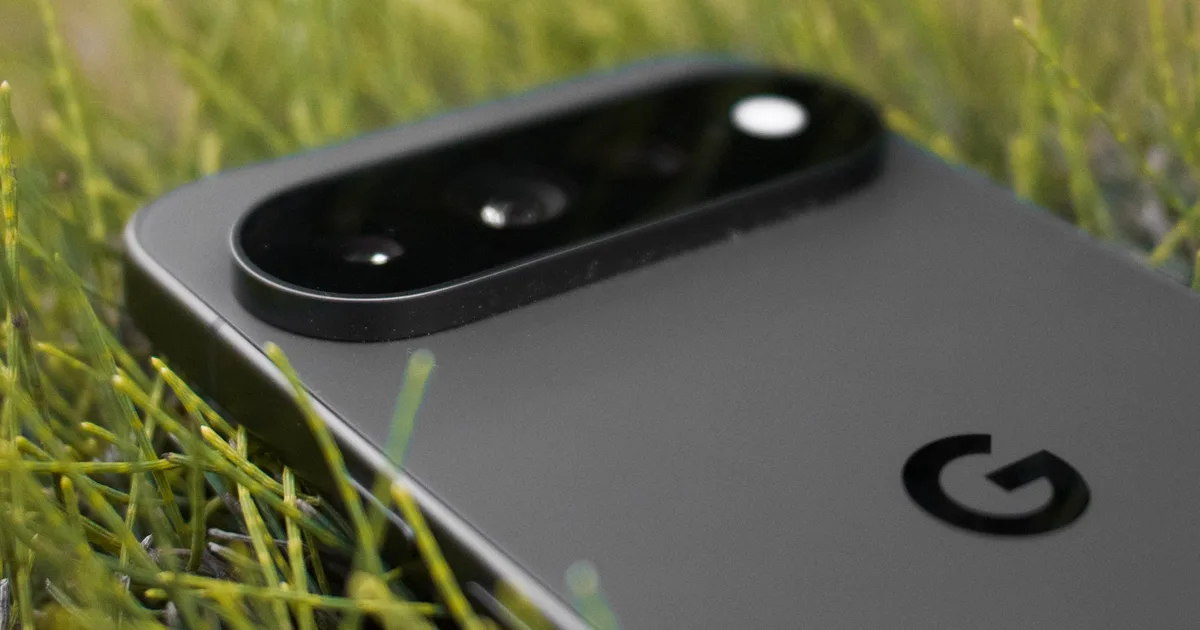
I had plenty of doubts about the Google Pixel 11 Pro before I started using it, and after spending almost a month with the phone, I started to come around. It became one of my favorite compact Android flagships. Its premium build quality and size sold me on the whole package. Google’s camera experience is excellent, and features like Camera Looks and Magic Capture gave me more reasons to actually play around with photography.
Android 17 feels smooth and intuitive, and Google’s AI-powered features like Rambler just make the experience even better. The Pixel 11 Pro now starts at $1,099, and at that price you have plenty of alternatives and high expectations. Despite the various upgrades, Google still has room for improvement.
Give Tensor the horsepower a $1,099 phone deserves
Everyday performance isn’t the problem. From multitasking or quick launching the camera app, the Tensor G6 can handle just about anything you throw its way. But the cracks appear when you push it to its limits in gaming and benchmarks. In my testing, the Pixel 11 Pro scored 2,639 in Geekbench 6 single-core and 7,071 in multi-core, compared with 3,036 and 10,534 from the Exynos-powered Galaxy S26. My 3DMark stress testing also showed performance dropping by around 29% across 20 loops.
Most users wouldn’t care about synthetic benchmark figures, but gaming, on the other hand, can be a dealbreaker for many. PUBG Mobile could run at up to around 90fps, but the Pixel simply doesn’t have the same graphics headroom I get from other current flagships. This isn’t unique to my testing, either. Other Pixel 11 Pro testing has found Tensor G6 substantially behind the latest Snapdragon and Apple silicon in GPU workloads, while demanding games such as Zenless Zone Zero have exposed its graphics limitations.
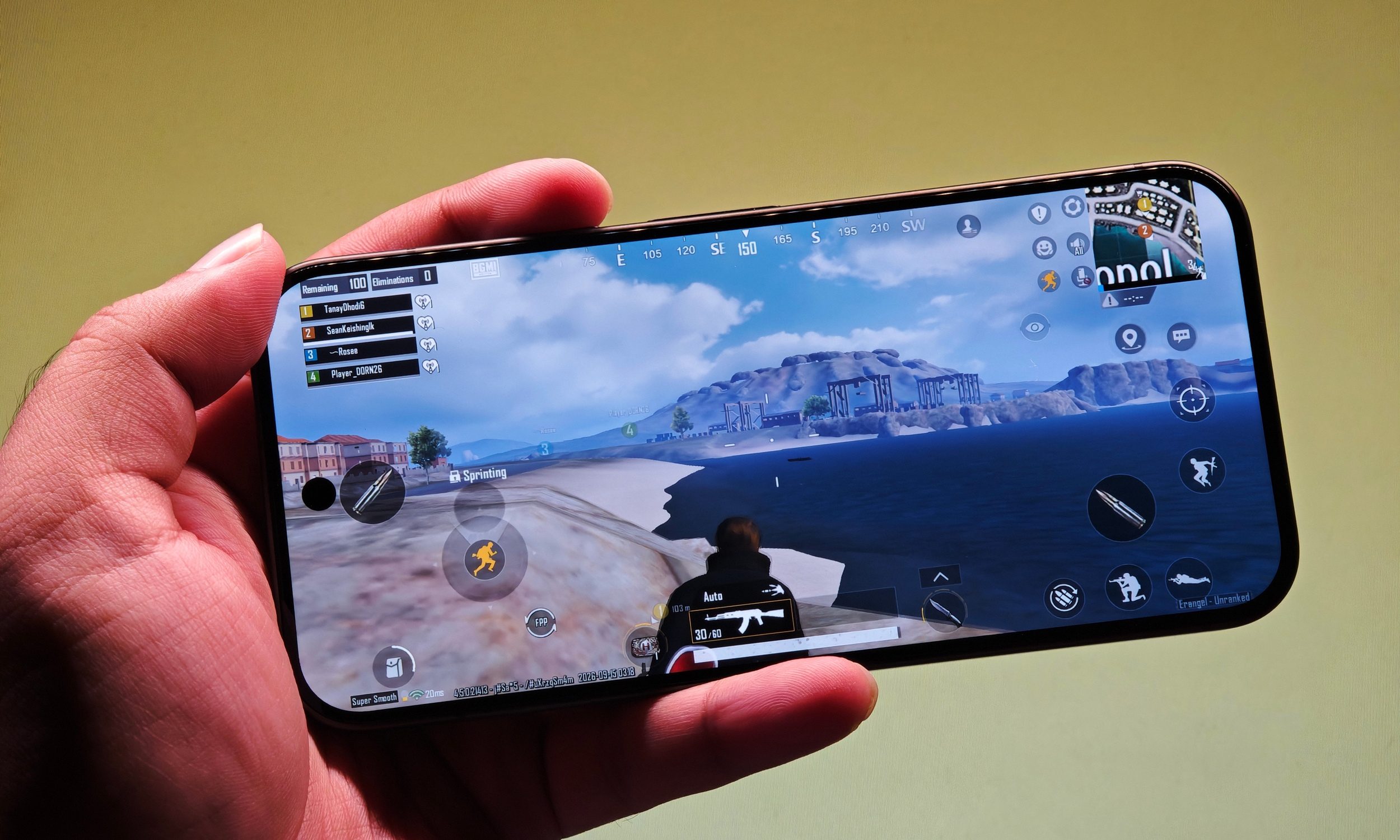
So if I’m spending $1,099 on a flagship phone, the least I can expect it to do is run all of the popular AAA mobile games. Tensor has spent years trailing behind Qualcomm and MediaTek, and it might take some time for the gap to actually shorten. But it is definitely an upgrade a lot of people could enjoy. A more rounded experience is the point of a flagship–a little bit for everybody. Google doesn’t have to make this a gaming phone; just give it enough horsepower to not shy away from gaming entirely.
Tensor G6 deserves a bigger battery
This one frustrates me precisely because Google has actually done good work on efficiency. The Pixel 11 Pro has a 4,850mAh battery, and Google officially rates it for more than 30 hours of use. In my experience, I generally got around five to six hours of screen time and could get through a full mixed-use day. That’s decent for a compact flagship. I keep wondering what the same software and Tensor G6 efficiency could achieve with more physical capacity.
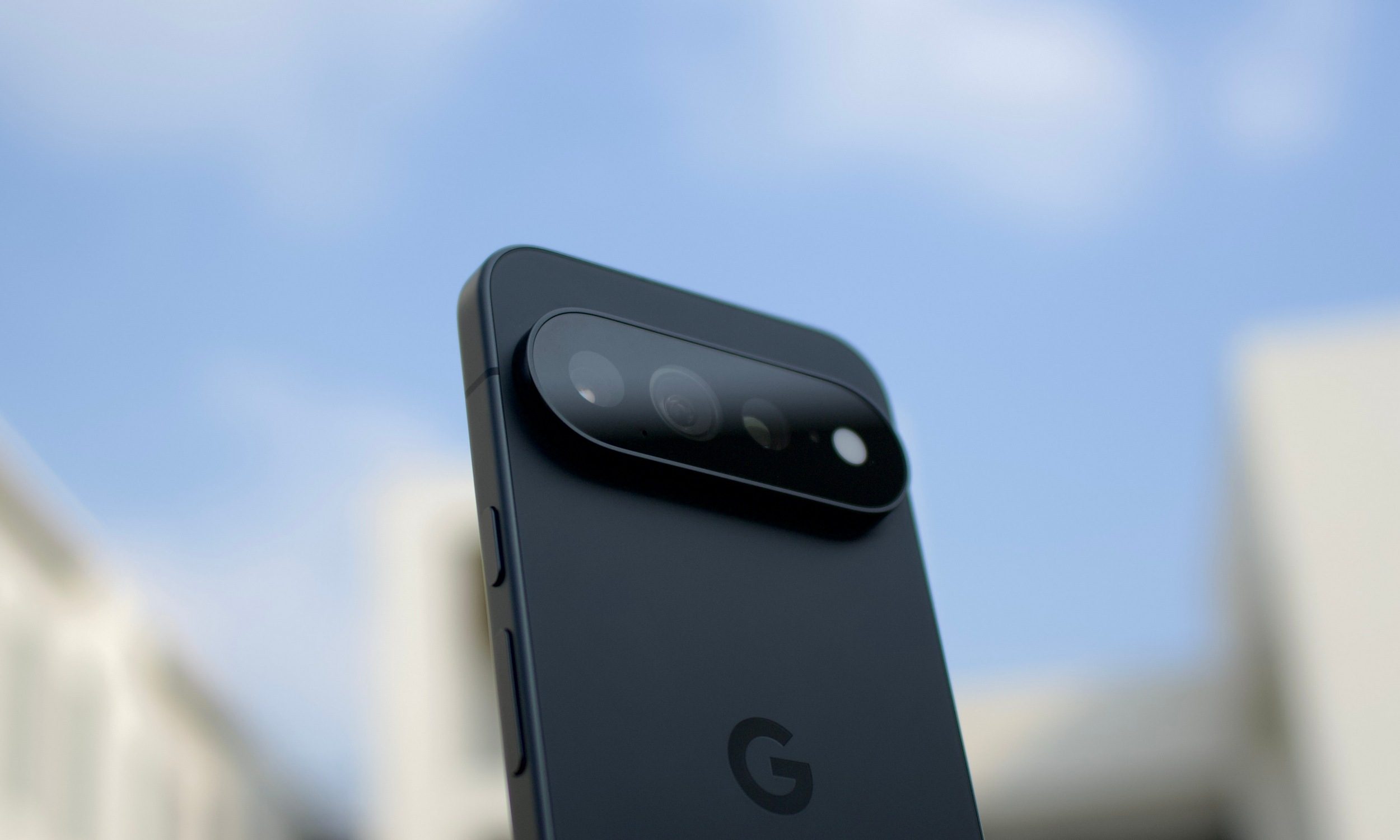
The battery is actually fractionally smaller than the Pixel 10 Pro‘s 4,870mAh cell. Google squeezed better claimed endurance out of less capacity, which makes the engineering improvement impressive, but I’d rather see those efficiency gains multiplied by a larger battery instead of being used to compensate for a smaller one. Samsung recently made the shift to silicon-carbon battery tech on its latest foldables, and Google could also see even higher endurance figures by adopting it.
Please, Google, 30W wired charging has run its course
This may be the easiest improvement on my list. I actually like what Google did with wireless charging. The Pixel 11 Pro now supports Pixelsnap Qi2.2 charging at up to 25W, meaning the smaller Pro finally gets properly fast magnetic wireless charging. That’s a solid quality-of-life improvement. The wired side is another story.
Google rates the Pixel 11 Pro to reach 55% in about 30 minutes using a 30W USB-C PPS charger or higher. This is difficult for me to get enthusiastic about after coming from a daily driver with 90W wired charging. Once you get used to plugging a phone in while getting ready and picking it back up with a huge chunk of its battery restored, going back to Pixel charging is painful.
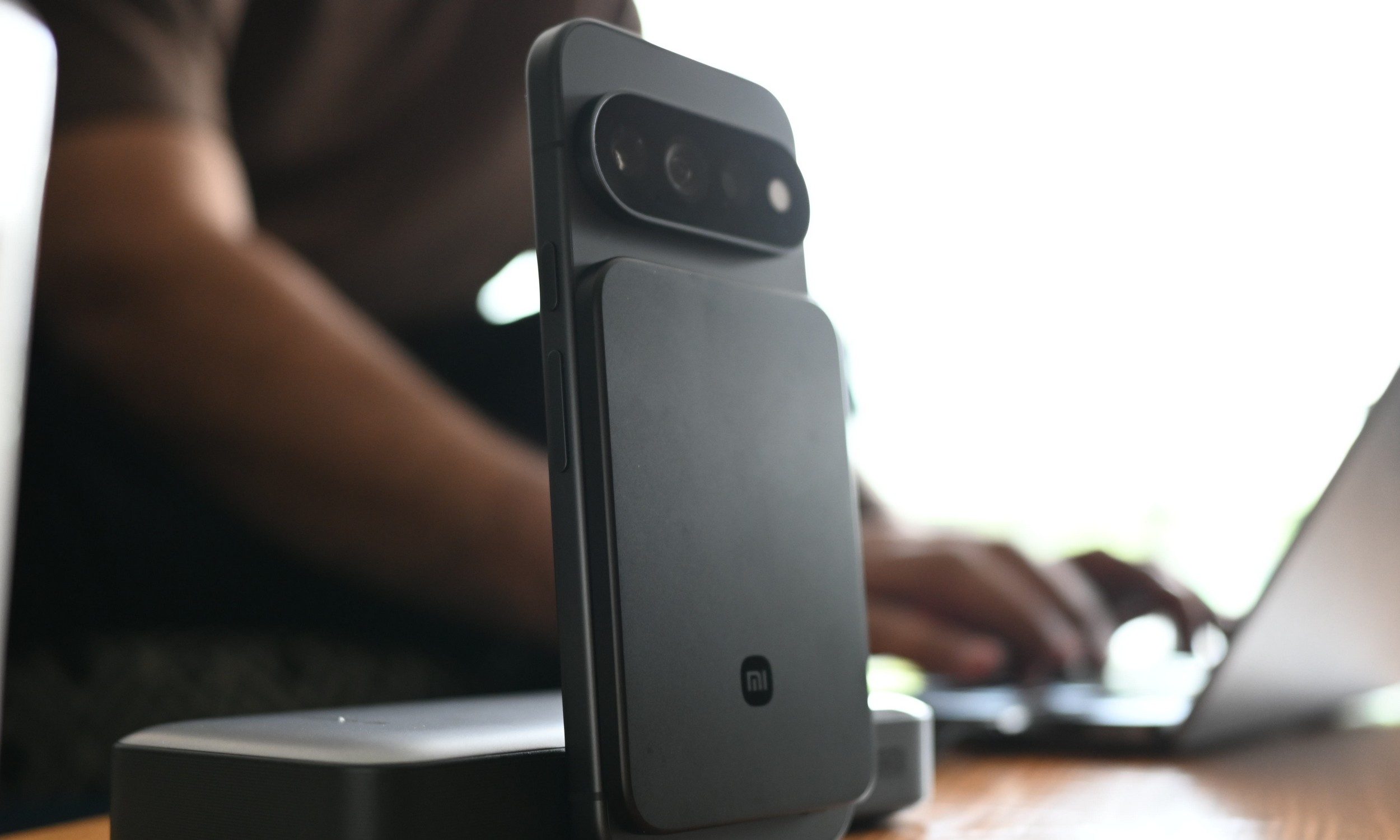
The odd part is that Google already has a better answer sitting one model above it. The Pixel 11 Pro XL supports a 45W-class setup and is rated to reach 75% in roughly 30 minutes. I would happily take that exact system on the smaller Pro. I can understand not pushing charging rates over 60W, but at least give me a figure near that mark for it to make the smaller battery capacity understable.
A compact Pixel should actually feel light
The last one became more obvious the longer I carried the Pixel. The Pixel 11 Pro is wonderfully manageable because of its 152.7 x 71.9mm footprint, yet it weighs 204 grams. That’s a lot of mass inside something that otherwise sells me on compactness. For perspective, the Galaxy S26 is another 6.3-inch flagship and weighs just 167g. The difference is 37g, and that’s enough to make the phones feel quite different in the hand.
I’m not asking Google to hit Samsung’s number. Even then, the Pixels can shave off a bit of weight and feel easier to hold for longer durations. Getting it comfortably below 200g would make the compact form factor considerably more meaningful. Compactness isn’t just about whether my thumb can reach the opposite side of the display. It’s about how easily I can use a phone one-handed, and how tiring it becomes after prolonged use.
Google doesn’t need to change what already works
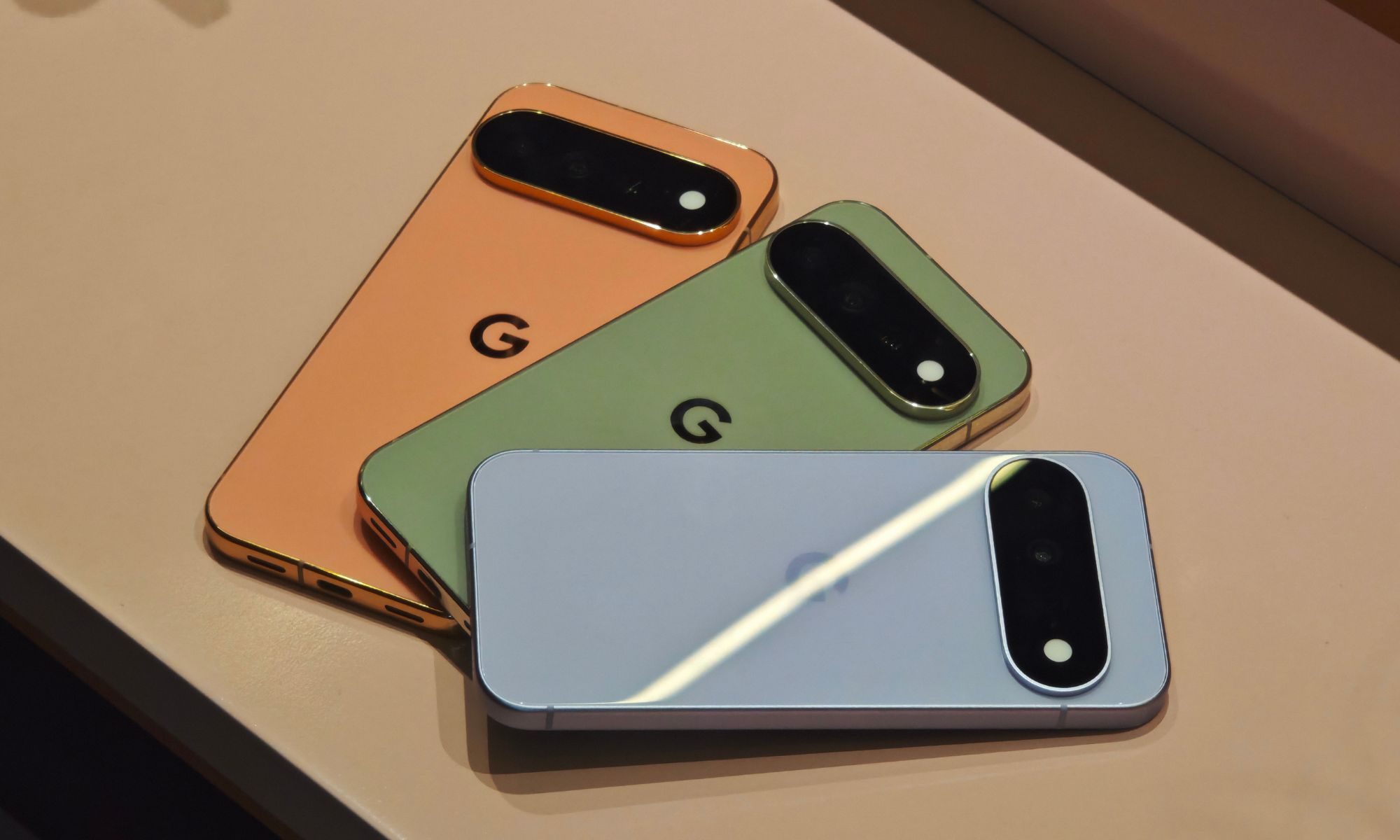
To be fair, I don’t only have complaints. There are still plenty of things I would leave alone. I don’t want Google to chase Snapdragon purely for benchmark bragging rights and lose what makes Tensor interesting. Google doesn’t have to drastically change up the design. The cameras are already one of my favorite parts of the phone, and this year, the company finally gave it a lot more breathing room.
All that’s needed is a few enhancements before we dive deeper into the software experience. Google’s latest flagship has bugs… still. But the experience wasn’t as rough as the older generations. Just give actual flagship-level performance. Help out the efficient chip with a bigger battery capacity, and make the charging faster, please.