
Blog
Pixel Watch 5 vs. Galaxy Watch 9 vs. Apple Watch Series 11: There’s more than one way to take your health seriously

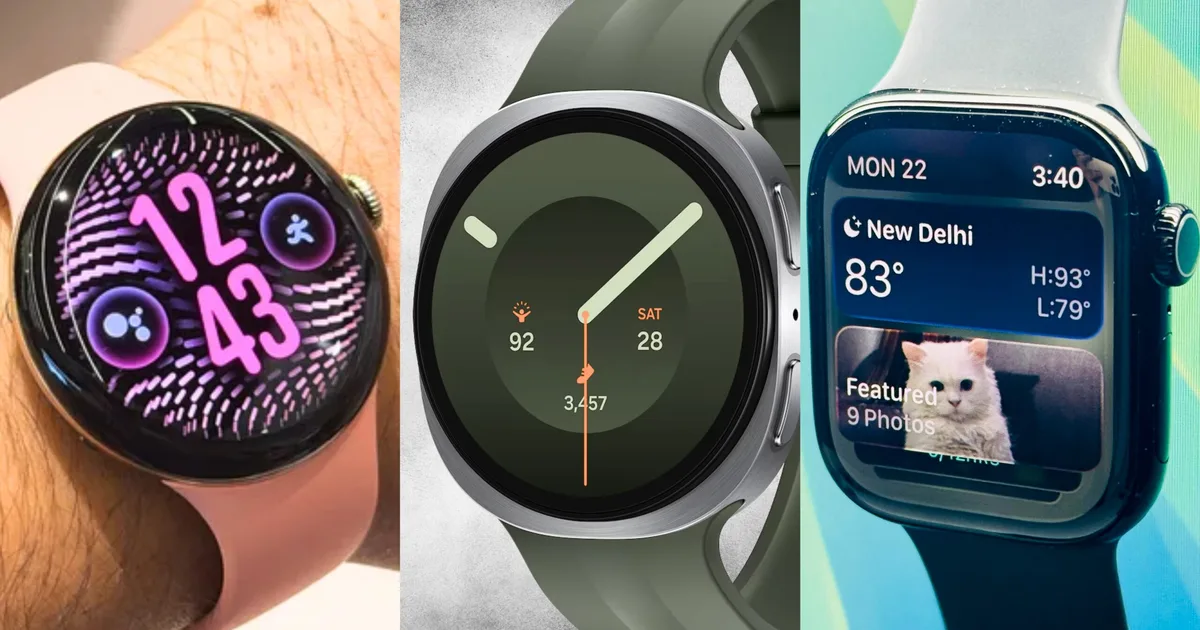
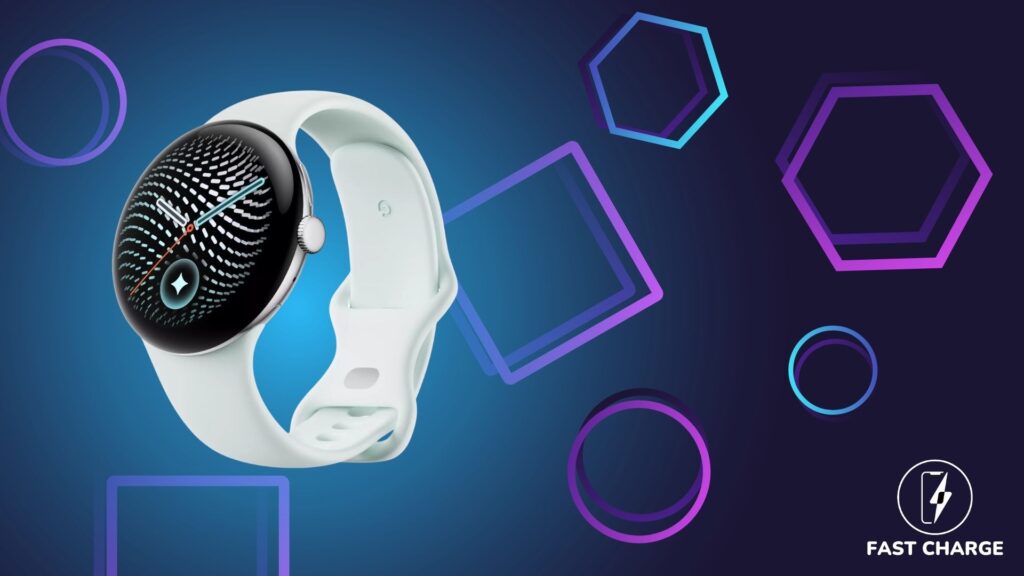
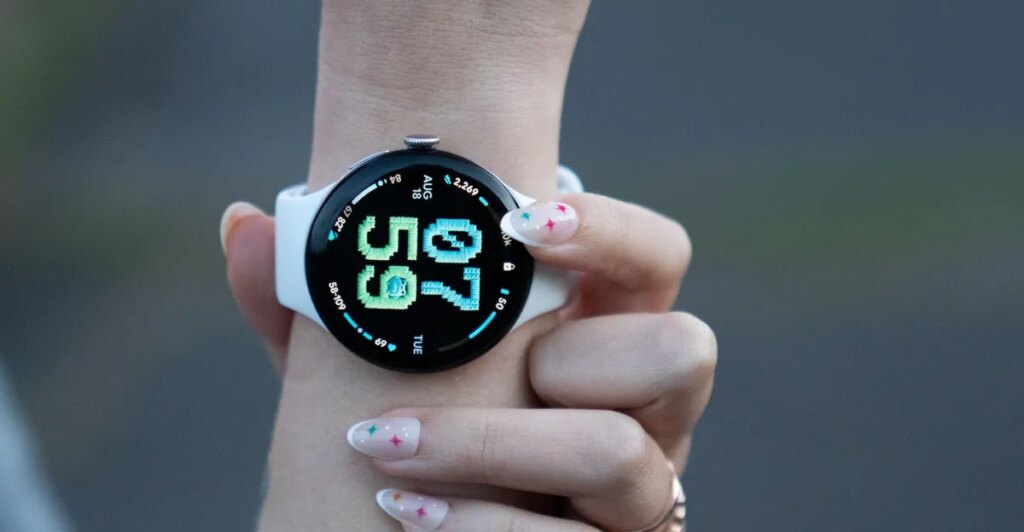
While Google has never quite matched its competitors in the smartwatch market, particularly when it comes to health tracking features, the Pixel Watch 5 feels like its strongest attempt yet to close that gap. With features such as Insulin Resistance Trends and Breathing Emergency Detection, Google is making a serious push in a category where wellness and proactive monitoring are becoming increasingly important.
With the Pixel Watch 5 now going head-to-head with Samsung’s Galaxy Watch 9 and Apple’s Watch Series 11, the differences go well beyond the usual Android vs. iOS divide. The interesting question isn’t which smartwatch has the longest feature list, since all of them are locked to their ecosystem, but which one implements those features better, or rather cooks up something new from the existing sensors.
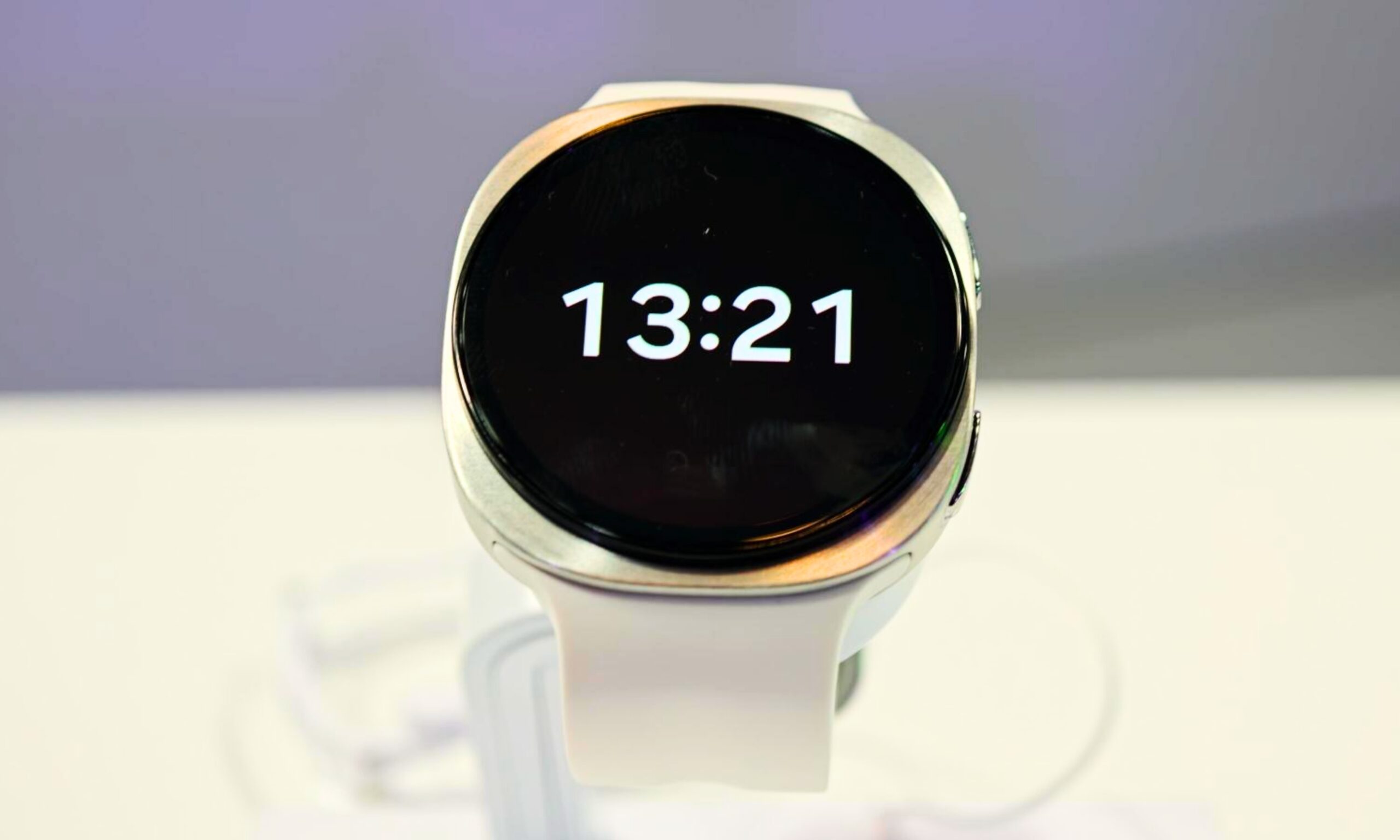

Pixel Watch 5 vs. Galaxy Watch 9 vs. Watch Series 11: Specs at a glance
| Pixel Watch 5 | Galaxy Watch 9 | Apple Watch Series 11 | |
| Starting price | $399.99 | $379.99 | $399.99 |
| Dimensions (smaller / bigger) | 41× 41 x 12.3mm / 45 x 45 x 12.3mm | 42.7 × 40.4 × 8.6mm / 46.0 × 43.7 × 8.6mm | 42 × 36 × 9.7mm / 46 × 39 × 9.7mm |
| Weight (smaller / bigger) | 31.0g / 36.7g |
31.5g / 34.0g | 30.3g / 37.8g |
| Case material | 100% recycled aluminum | Aluminum, Armor Aluminum 2, sapphire crystal | Aluminum (Ion-X glass) or Titanium (sapphire crystal) |
| Display type | Actua 360, domed LTPO AMOLED | Super AMOLED | Always-On Retina LTPO3 OLED |
| Display size | 1.27″ (41mm) / 1.46″ (45mm) | 1.34″ (40mm) / 1.47″ (44mm) | 1.53″ area (42mm) / 1.72″ area (46mm) |
| Resolution / PPI | 320ppi | 438×438 (40mm) / 480×480 (44mm), 327ppi | 374×446 (42mm) / 416×496 (46mm), 326ppi |
| Peak brightness | Up to 3,000 nits | Up to 3,000 nits | Up to 2,000 nits |
| Cover glass | Corning Gorilla Glass 5 | Sapphire crystal | Ion-X (2x scratch resistant) / Sapphire (titanium) |
| Chipset | Snapdragon W5 Gen 2 + Cortex-M55 co-processor | Snapdragon SW6100 Wear Elite (3nm), Penta-core | Apple S10, dual-core + 4-core Neural Engine |
| RAM / Storage | 2GB / 64GB | 2GB / 32GB | 64GB |
| Battery (smaller / bigger) | 332mAh / 465mAh | 390mAh / 445mAh | Not disclosed by capacity |
| Battery life (AOD on) | Up to 30hrs (41mm) / 40hrs (45mm) | Up to 30hrs (both sizes) | Up to 24hrs normal use |
| Charging | Quick Charge Dock; ~45min to 100% (41mm) | 10W wireless (WPC); ~80min to 100% | Magnetic fast charger; 80% in ~30 min |
| Water/dust resistance | 5ATM + IP68 | 5ATM + IP68, MIL-STD-810H | WR50m (swimproof) + IP6X |
| OS | Wear OS 7.0 | Wear OS 7 + One UI 9 Watch | watchOS 26 |
| Connectivity | BT 6.0, Wi-Fi 802.11a/b/g/n/ac/ax, NFC, UWB, dual-freq GPS | BT 6.0, Wi-Fi 4, NFC, dual-freq GPS, LTE/eSIM option | Wi-Fi 4, BT 5.3, NFC, UWB (gen 2), 5G RedCap (cellular models) |
| Key sensors | ECG-compatible electrical sensor, SpO2, skin conductance, skin temp, barometer | BioActive sensor (ECG, BP, SpO2, antioxidant index), skin temp, barometer | Electrical + 3rd-gen optical heart sensor, blood oxygen, temperature |
| Colors | Matte Black, Polished Silver, Satin Pyrite (all sizes); Champagne Gold (41mm only) | Graphite, Cream (40mm); Graphite, Silver (44mm) | Rose Gold, Silver, Space Gray, Jet Black (aluminum); Gold, Natural, Slate (titanium) |
| Compatibility | Android 12.0+ | Android 10.0+, Samsung Health app | iPhone 11+ with iOS 26+ |
| Warranty | 1 year | 1 year | 1 year limited |
Health Guardian gives the Pixel Watch 5 an edge
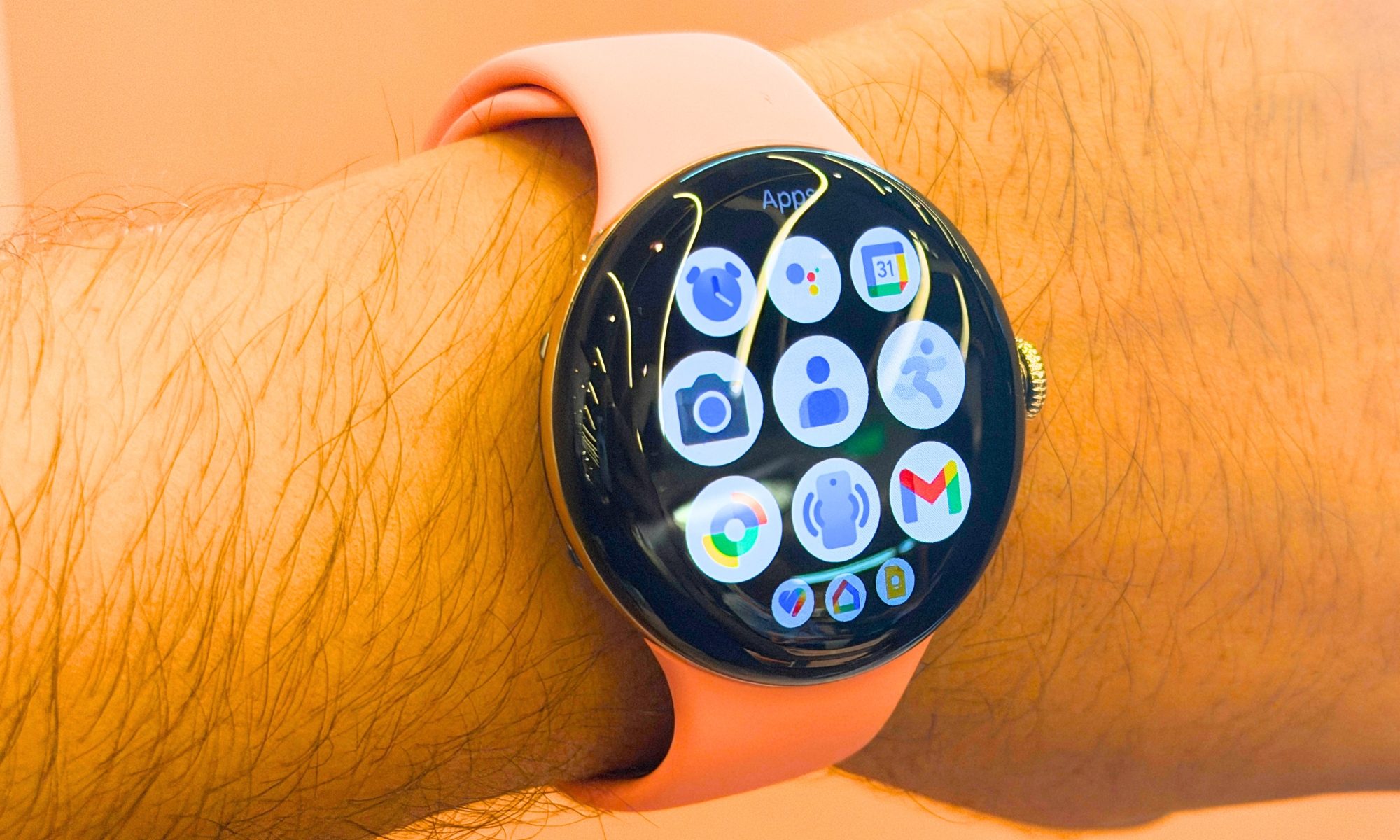
The Pixel Watch 5’s hardware is solid but hardly distinctive next to its rivals. It uses the same 3,000-nit LTPO panel as Samsung, while still beating the Apple Watch for peak brightness, and the Snapdragon W5 Gen 2 keeps things responsive enough for features such as Gemini Proactive Suggestions. It is also the thickest smartwatch of the three, so Google clearly isn’t winning this comparison on hardware alone.
Health Guardian is where the Pixel Watch 5 makes its strongest case this year. Using its existing sensors and a month of passive wear, the watch can estimate Insulin Resistance Trends and generate monthly Blood Pressure Trend reports without requiring a CGM or blood-pressure cuff. Samsung and Apple still don’t offer anything comparable.
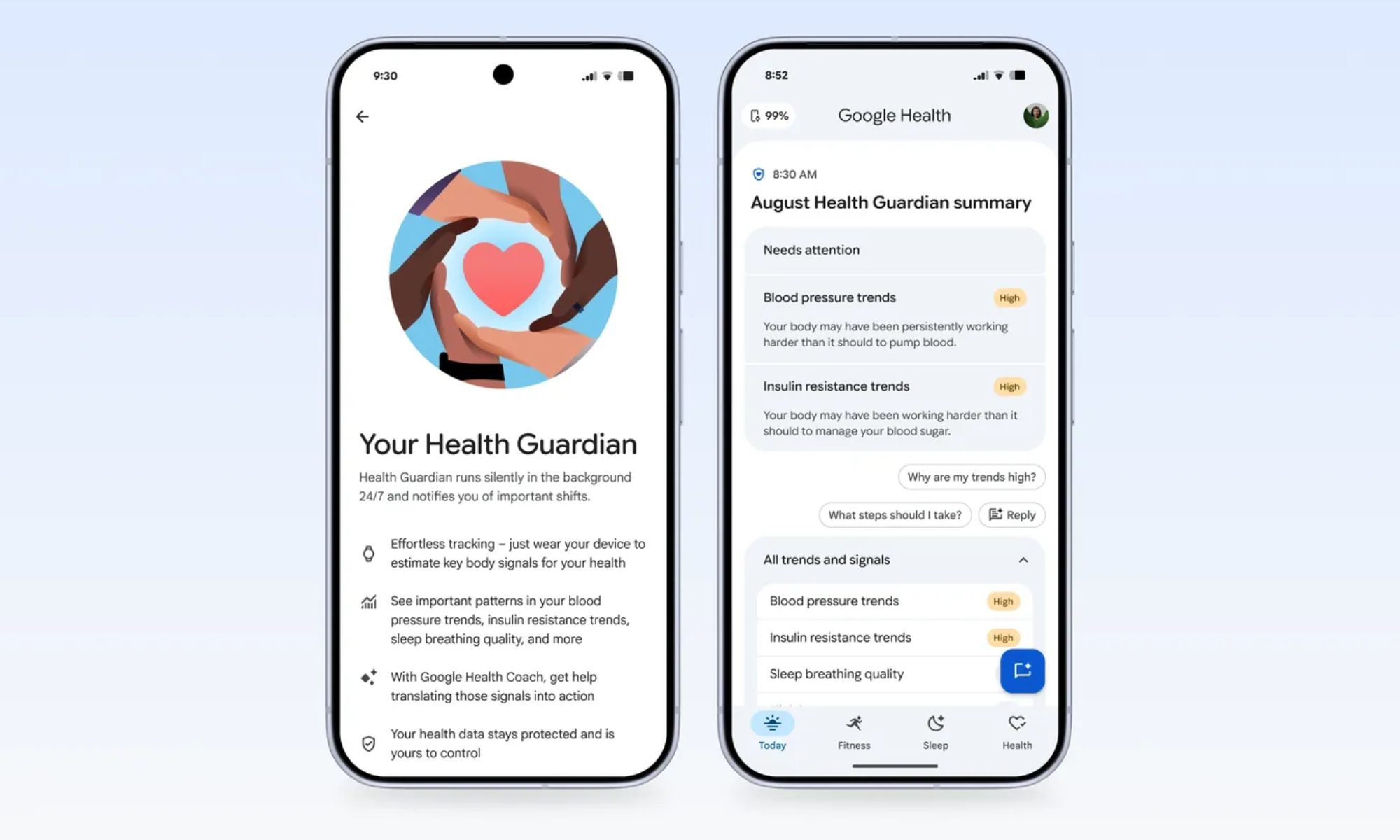
Then there’s Breathing Emergency Detection, which monitors for dangerous blood oxygen level drops and can automatically call emergency services if it detects that you’re unresponsive. That gives the Pixel Watch 5 a practical safety advantage I wouldn’t dismiss, particularly for someone dealing with a serious health concern.
Gemini sits at the center of the software experience. Google’s Proactive Suggestions can surface smart message replies, pull up information from conversations, and handle quick actions such as creating calendar events. Raise to Talk also removes the need for a wake word, making voice interaction more natural.
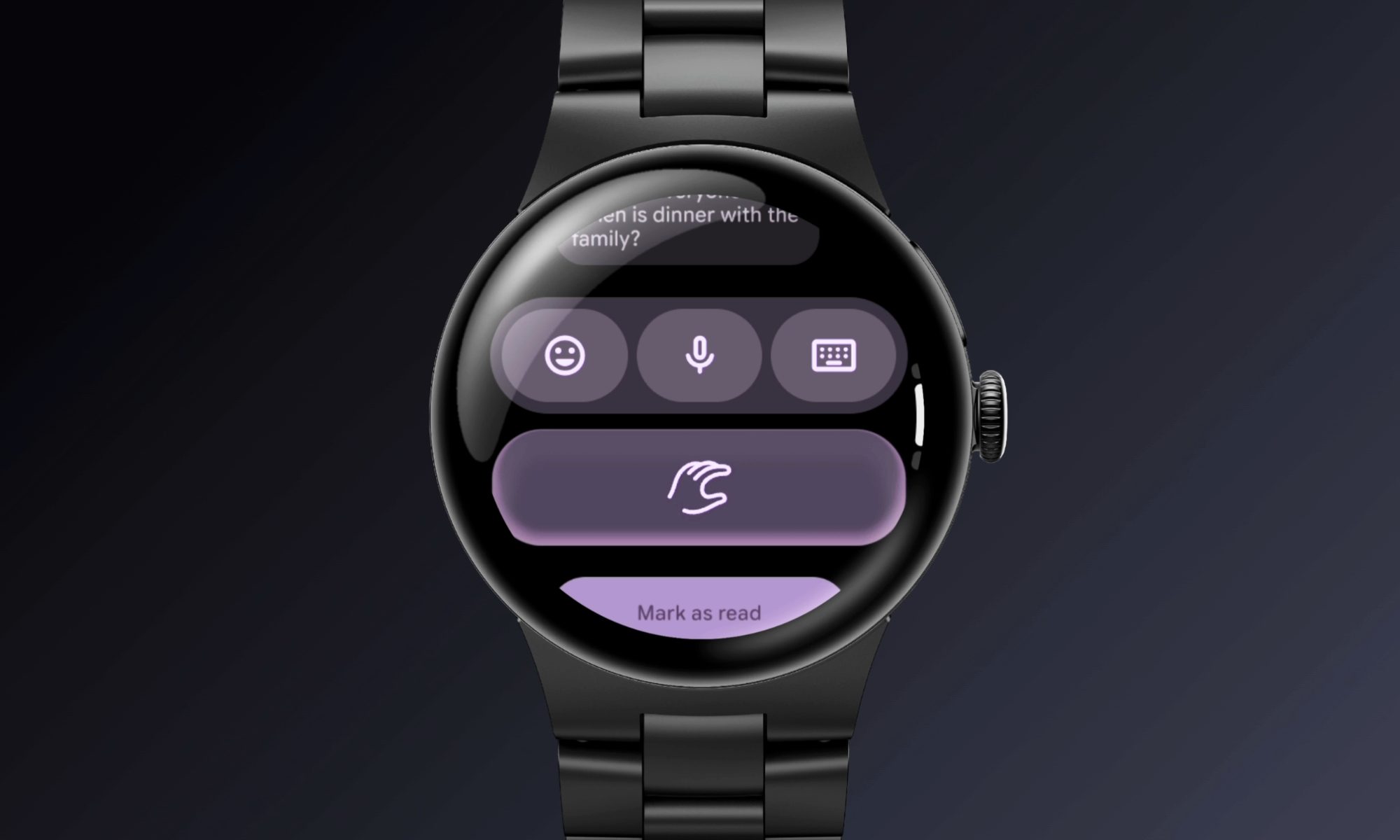
Google has also put real thought into hands-free navigation. A wrist-turn back gesture and refined double-pinch controls are useful rather than gimmicky, while Smart Wake uses live heart-rate data to wake you during a lighter sleep stage. Atmospheric GPS goes a step further by factoring live weather conditions into route tracking.
Combined, these features make the Pixel Watch 5 feel less like a spec-sheet refresh and more like Google finally connecting its AI, health, and safety features into a coherent smartwatch experience.
Samsung tracks everything from body composition to cardio load
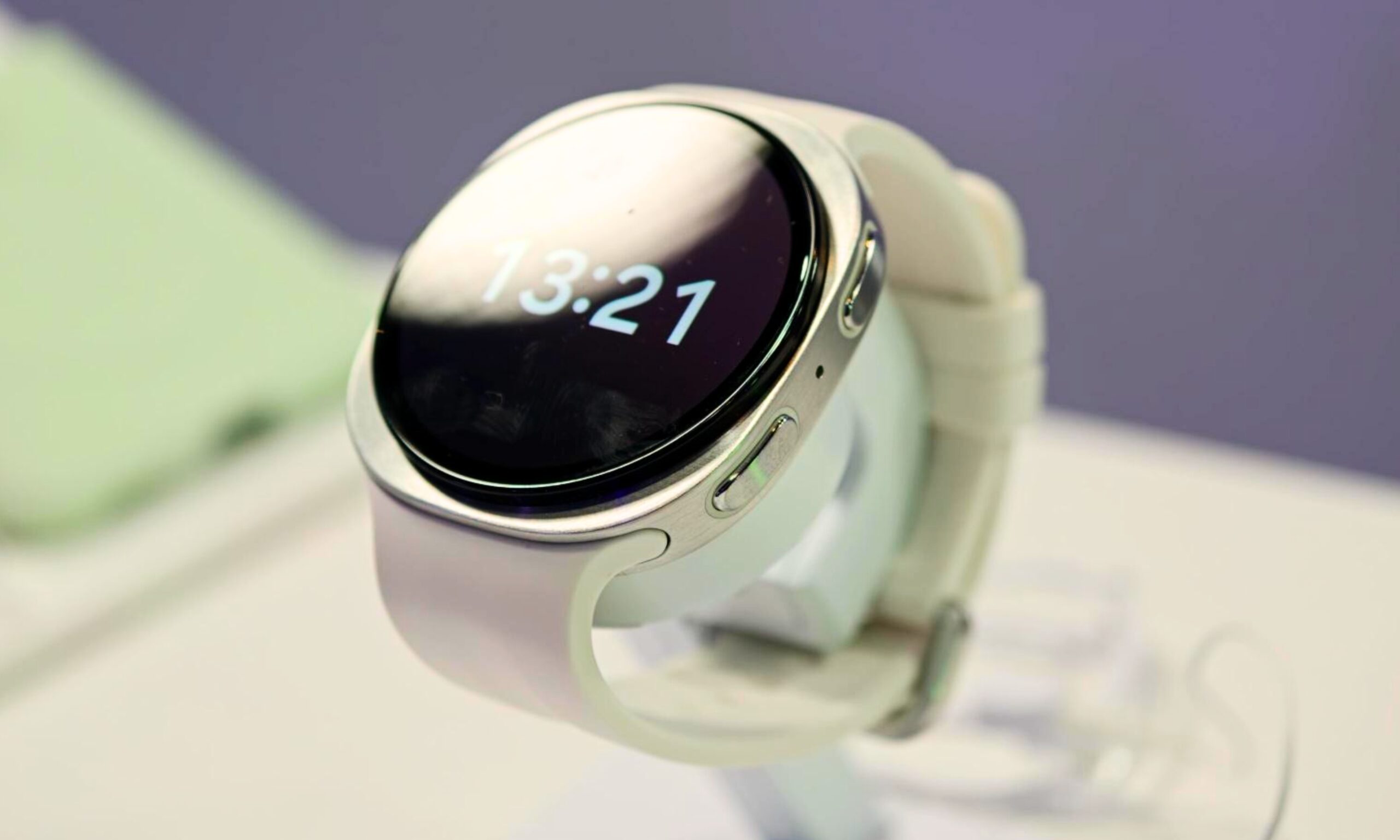
On hardware alone, the Watch 9 is the only one here to meet the MIL-STD-810H durability standards while also being the sleekest smartwatch option. It runs on the most powerful Snapdragon Wear Elite chip currently available for wearables, which should translate to smoother day-to-day performance. However, Samsung has cut corners with the onboard storage.
Samsung’s strongest bet for your wrist is its BioActive sensor, which can estimate your body fat and muscle percentage, something neither the Pixel Watch nor Apple Watch can do.
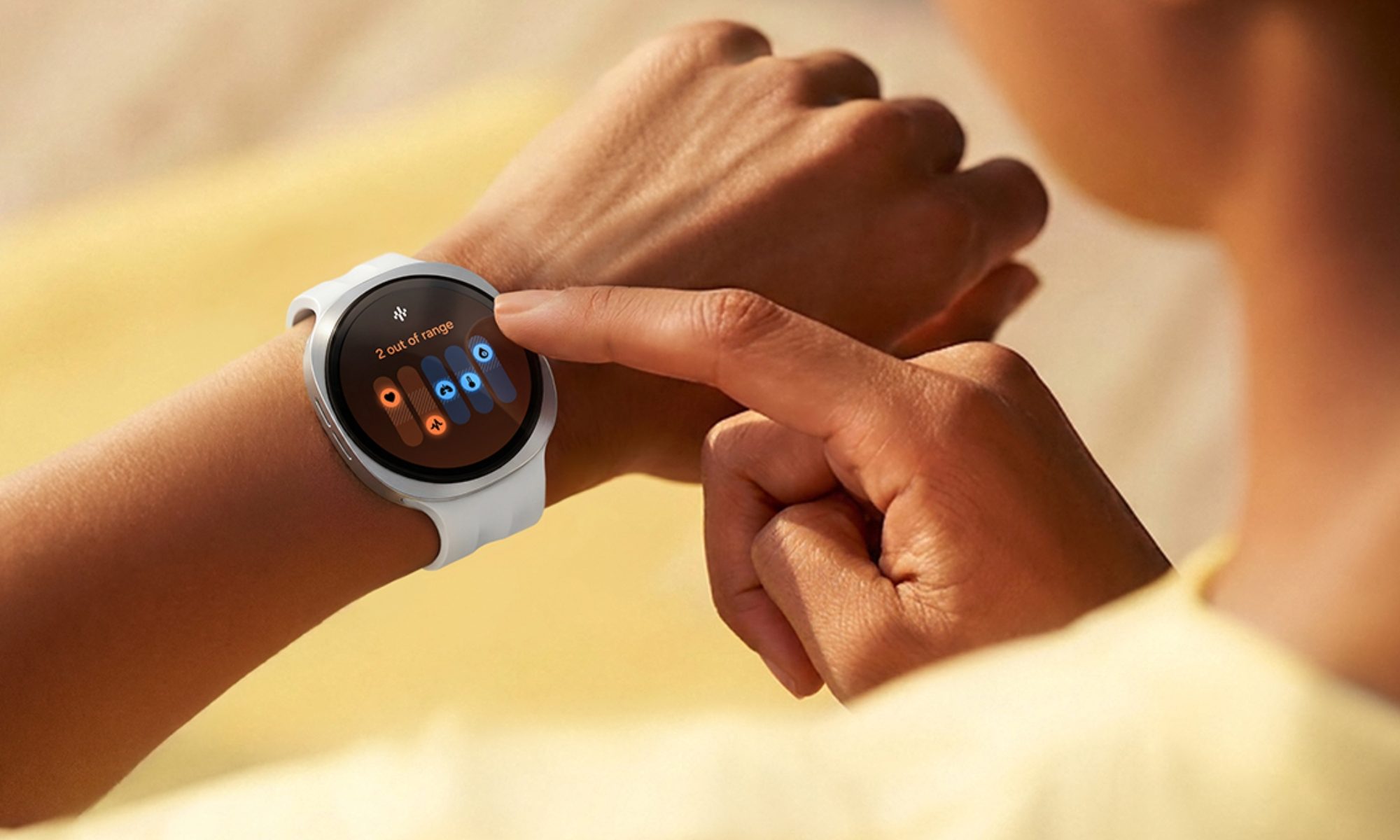
With One UI 9 Watch, you get the new Vitals dashboard. It spends the first week establishing a personal baseline for your SpO2, heart rate variability, respiratory rate, and skin temperature, and then flags subtle deviations that could signal illness or overtraining before you’d notice symptoms yourself.
Then there are several unique features like Daily Cardio Load and Antioxidant Index, which let you determine whether this should be a push or a recovery day and help you estimate whether your diet meets daily antioxidant requirements, respectively. Pair that with Hearing Protection Alerts, which monitor the ambient noise around you.

For anyone who trains seriously, Ghost Pacing lets cyclists race their own historical routes in real time. The updated Samsung Health app now supports custom GPX routing, which is quite useful for trail runners. On the software side, One UI 9 Watch’s split gesture system, including double pinch for yes, wrist shake for no, is the most intuitive control scheme on a smartwatch, at least for me.
Add native Gemini integration via Raise to Talk, and Samsung has built the most well-rounded health companion of this group.

Hypertension alerts and Workout Buddy keep the Watch Series 11 relevant
The first and most obvious difference is that the Watch Series 11 is the only rectangular smartwatch here, a form factor I consider better suited for reading notifications, messages, or glancing at data. It’s slimmer than the Pixel Watch, but not the slimmest here. Then there’s the S10 chip and its four-core NPU, which enable the Apple Watch Series 11 to process Siri commands entirely on-device, including the new Siri AI experience.
The Watch 11’s most useful and unique feature is Hypertension Notifications. Apple’s optical heart sensor tracks how your blood vessels respond to each heartbeat over a 30-day period, then alerts you if it detects patterns linked to chronic high blood pressure, a condition many people don’t discover until a doctor’s visit.

Like the Galaxy Watch 9, the Watch Series 11 also lets you detect the early signs of Sleep Apnea. Another similarity is the new Vitals app (Apple did it first), which aggregates overnight heart rate, respiratory rate, and wrist temperature into one dashboard so you can see at a glance whether you’re deviating from your own baseline.
Workout Buddy is Apple’s most interesting new addition for anyone who actually trains, in my opinion. It’s an Apple Intelligence-powered coach that adjusts pacing and offers encouragement mid-workout (that is important), pulling from your paired iPhone. Google’s Gemini Health Coach is mostly passive during workouts, giving Apple an edge here.

Combined with genuinely advanced sport tracking, including SWOLF scoring for swimmers, offline topographic maps for hikers, Stride Length and Ground Contact Time for runners, and the new wrist flick gesture for one-handed control, the Series 11 remains an intuitive smartwatch and a reliable health-monitoring device.
Which one should you get?
Ultimately, there’s no one winner here. Call it a pro or a con, but the decision depends on the phone in your pocket. The Pixel Watch 5, with the new Insulin Resistance and Blood Pressure Trends feature, is the best to pair with the new Pixel 11 series, or any Pixel for that matter. The Galaxy Watch 9, on the other hand, has a hardware advantage in the form of the BioActive Sensor, making it the best smartwatch for Galaxy phones. Finally, the Apple Watch Series 11, while its falling behind when it comes to unique or new health monitoring features, is still the best smartwatch to pair with iPhones.