
Blog
That Sony neck fan might look geeky, but scientists say it’s actually better than desk fans


I wrote about Sony’s latest wearable cooler a few months ago, and I’ll admit that walking around with a gadget clamped behind my neck still isn’t exactly my definition of looking stylish. But scientists have just given me a pretty convincing reason to reconsider.
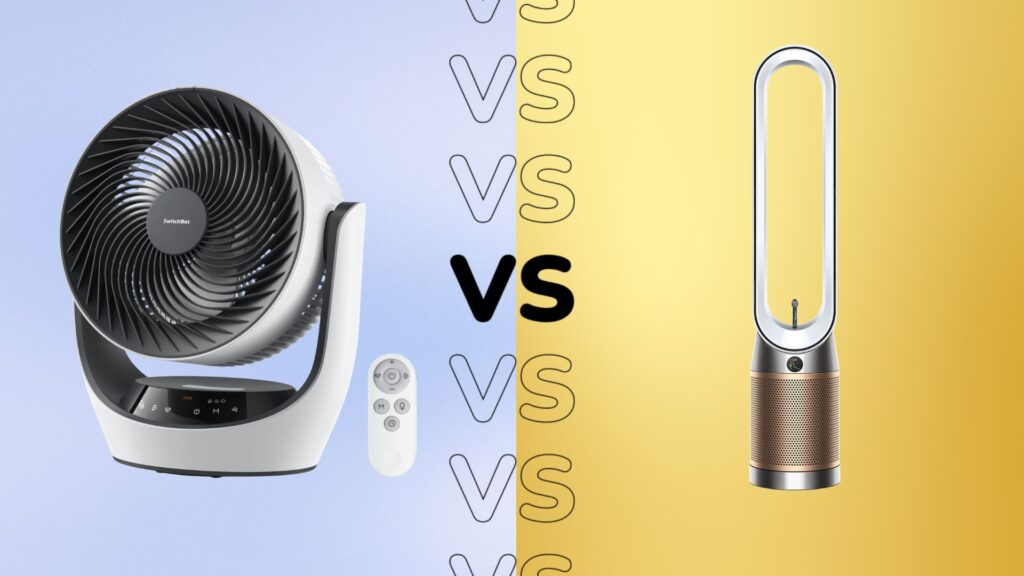
Researchers at Concordia University compared wearable face and neck fans against conventional bladed and bladeless desk fans, and found that targeting a small temperature-sensitive area of the body can provide surprisingly effective cooling. Wearable devices brought overall thermal comfort close to what larger desktop fans achieved while consuming less energy and creating fewer unwanted drafts for people nearby.
Your neck is surprisingly good at keeping you cool
The researchers tested four personal cooling devices in a controlled office at 25 degrees Celsius, using a 23-segment thermal manikin capable of measuring skin temperature, heat loss, and overall thermal comfort. This study found that the reason wearable cooling works so well comes down to where the air goes.
Your face and neck account for only around 5.5% of your body’s surface area, yet they are especially sensitive to temperature. Directing airflow toward those areas allowed the wearable fans to achieve whole-body comfort comparable to a bladeless desk fan or a conventional bladed fan running at low speed. The face-mounted fan increased heat loss from the face by as much as seven watts.
A full-size bladed desk fan still delivered the greatest cooling overall, so I wouldn’t throw yours away just yet. But it also created much higher air speeds that sent more unwanted airflow toward neighboring coworkers.
Sony may already be onto something
Sony takes the idea considerably further than the wearable fans in Concordia’s experiment. The £199 Reon Pocket Pro Plus sits against the back of your neck and uses two thermoelectric modules rather than relying solely on moving air. The company claims that its latest model delivers over 20% stronger cooling than its predecessor, with the cooling plate able to reach a surface temperature around 2 degrees Celsius lower under its test conditions.

It also monitors your environment and automatically adjusts its cooling, while Sony rates Smart Cool mode for up to 15 hours of battery life depending on conditions and settings. Concordia researchers see a bigger benefit to this kind of targeted cooling. If individuals can stay comfortable with personal devices, offices could potentially run centralized HVAC systems less aggressively, reducing building energy consumption. This becomes handy for hybrid workplaces where cooling an enormous office for a handful of employees makes little sense.
So yes, wearing a miniature climate-control gadget around my neck will probably continue making me look a little geeky. But I’d much rather look geeky than spend another summer surviving this heat wave.